

Key Takeaways:
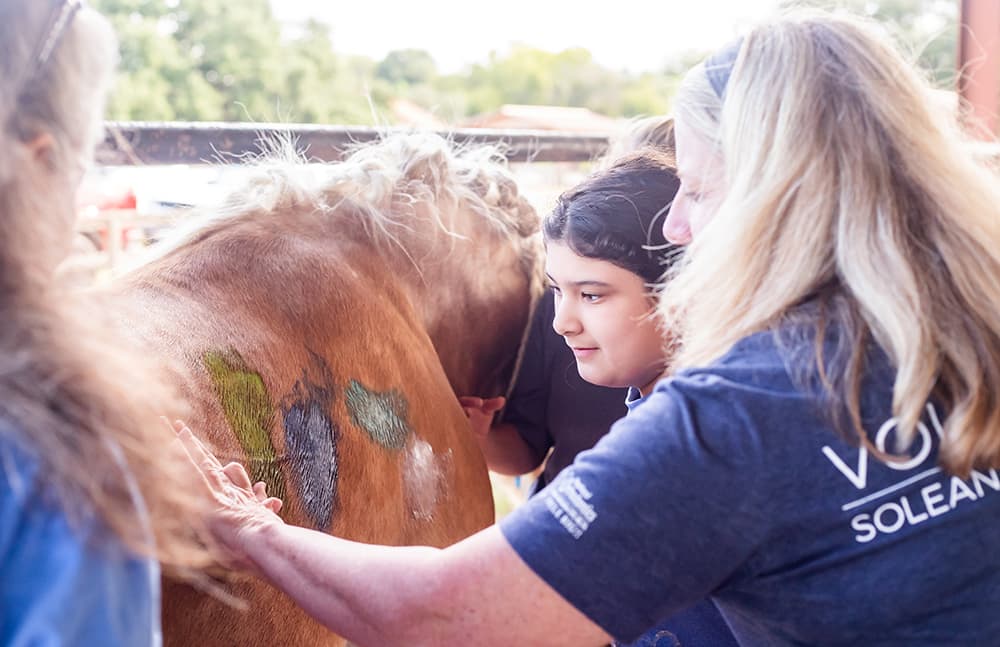
- Equine-assisted services incorporate horses into therapeutic, educational, and personal development processes.
- Diverse groups, including children, veterans, and individuals with mental health or physical challenges, can benefit from these services.
- Programs are facilitated by trained professionals and are designed to promote healing, learning, and growth.
Table of Contents:
- Understanding Equine-Assisted Services
- Core Types of Equine-Assisted Services
- Benefits for Different Populations
- The Role of Professionals in Equine-Assisted Services
- Finding Qualified Programs
- Conclusion
Understanding Equine-Assisted Services
Equine-assisted services describe a wide range of programs where horses play a central role in therapeutic, educational, or developmental interventions. These services are gaining recognition for their effectiveness in addressing numerous physical, emotional, and cognitive challenges. Utilizing horses, which are sensitive and intuitive animals, participants are guided through structured experiences that foster self-awareness, resilience, and healing. Those interested in discovering more about such programs’ scope and safety considerations can refer to valuable resources such as equine assisted services, which offer comprehensive guidance and support for both clients and practitioners.
While horses may appear passive participants, their responses offer immediate and honest feedback in each session. This unique dynamic encourages individuals to be authentic, patient, and mindful, further enhancing the value of equine-assisted programs. These qualities have contributed to the growing popularity of equine-assisted services as adjuncts to traditional therapies in mental health, physical rehabilitation, and personal development.
Core Types of Equine-Assisted Services
Equine-assisted services encompass several modalities, each with a unique focus depending on the participant’s needs. Common types include Equine-Assisted Psychotherapy (EAP), where licensed mental health professionals utilize horse interactions to address emotional or behavioral challenges. Equine-Assisted Learning (EAL) involves structured educational sessions to foster life skills, communication, and teamwork. Hippotherapy refers to physical, occupational, and speech therapy treatments provided by licensed therapists using horse movement as a treatment strategy. Guided by certified instructors, therapeutic riding helps individuals with disabilities improve posture, balance, and confidence.
Benefits for Different Populations
The impact of equine-assisted services extends across various age groups and backgrounds. Children and adolescents struggling with behavioral disorders, trauma, or developmental delays often experience meaningful breakthroughs in equine-assisted settings. The non-judgmental presence of horses helps lower defenses, making it easier for participants to process feelings and develop trust. Adults dealing with anxiety, depression, PTSD, or relationship difficulties may gain emotional clarity and self-regulation skills through these programs.
Veterans and first responders, commonly affected by trauma, frequently benefit from the calming and empathetic nature of horse interactions. Individuals with physical disabilities or neurological conditions, such as cerebral palsy or multiple sclerosis, experience improved motor skills, strength, and coordination through therapeutic riding and hippotherapy.
The Role of Professionals in Equine-Assisted Services
Trained professionals are fundamental to the success and safety of any equine-assisted service. Mental health specialists, physical therapists, and certified riding instructors collaborate to design individualized programs prioritizing client goals and welfare. These practitioners are educated in equine behavior and therapeutic techniques, ensuring each session meets ethical and safety standards. Close monitoring, tailored approaches, and ongoing communication are essential for client progress and maintaining the horses’ well-being.
Finding Qualified Programs
When seeking equine-assisted services, choosing programs accredited by recognized organizations is vital. Accreditation indicates adherence to rigorous training and safety standards. Prospective participants should verify staff credentials and inquire about a program’s therapeutic approaches. Additionally, it is important to confirm that horses are well-cared-for and that the facility possesses appropriate insurance coverage, such as provided by agencies that specialize in therapeutic and equine-assisted services.
Conclusion
Equine-assisted services offer transformative opportunities for healing, learning, and growth. By combining evidence-based practices with horse interactions, these programs address the needs of a broad range of individuals, from children with developmental delays to adults overcoming traumatic experiences. Supported by dedicated professionals and tailored methodologies, equine-assisted services enrich lives, promote resilience, and foster meaningful connections.