

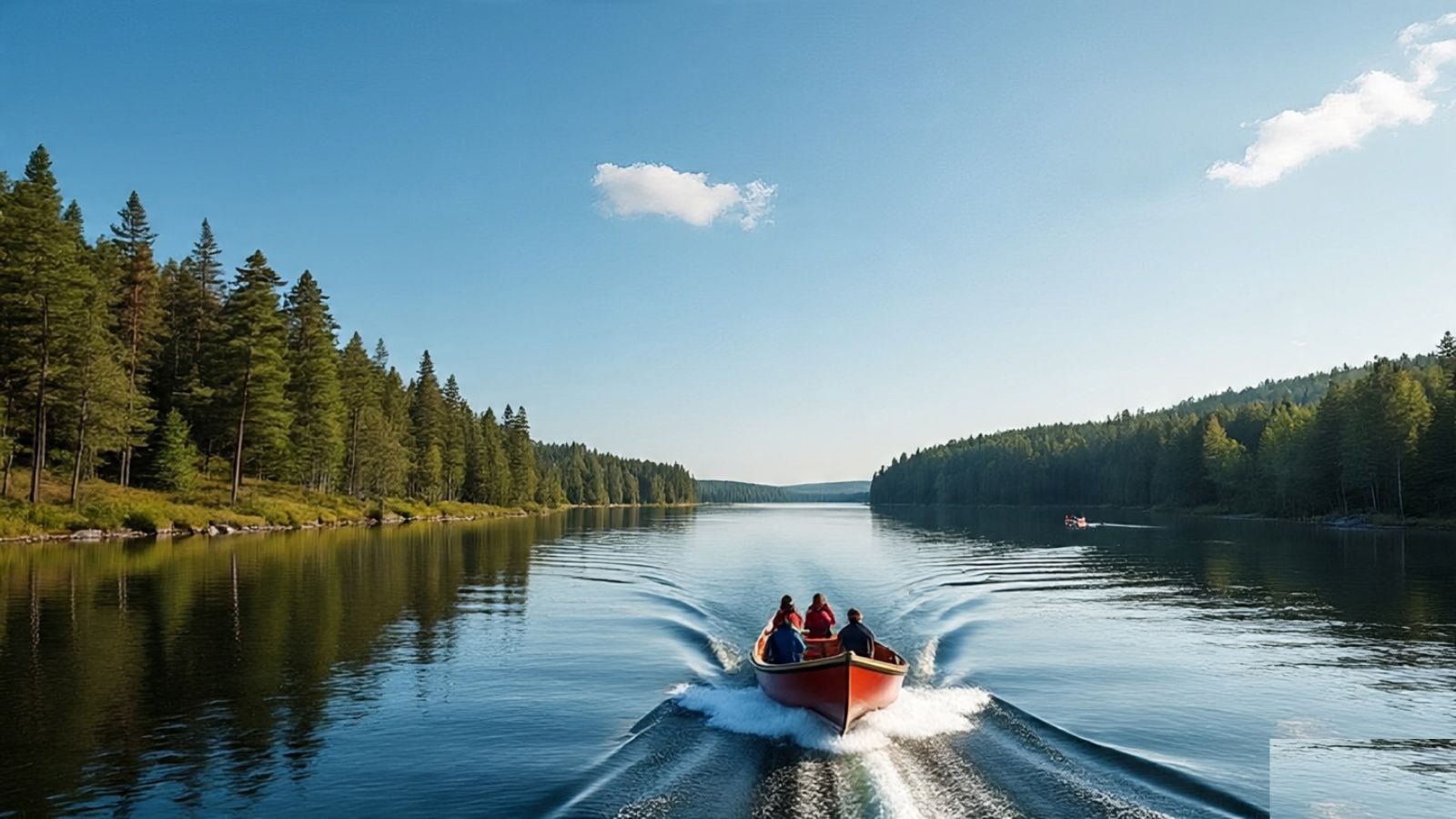
For many around the world, a boat is a luxury, a weekend toy, or a vessel for sport. But in Finland, a nation adorned with nearly 188,000 lakes and a coastline scalloped by countless islands, boating is something far more profound. It is a cultural cornerstone, a way of life, and a cherished seasonal ritual known as veneajelu.
More than just “driving a boat,” veneajelu encapsulates the entire experience of being on the water. It is a practice steeped in a deep respect for nature, a love for silence, and an unwavering pursuit of peace and connection.
The Call of the Water
Finland’s unique geography makes veneajelu almost a national right. With water visible from nearly every corner of the country, the appeal is irresistible. As the long, dark winter finally relinquishes its grip and the ice melts away, a collective shift happens. Finns begin preparing their boats for the short but intense summer.
This isn’t just about maintenance; it’s a ceremony. The boat, often a family heirloom passed down through generations, is cleaned, varnished, and its engine carefully serviced. The anticipation of the first trip of the season is a feeling shared by young and old alike.
The Heart of Veneajelu: Kohti Saaristoa (Towards the Archipelago)
The quintessential veneajelu experience is found in the Finnish archipelago, the world’s largest, stretching from the southwestern coast into the Baltic Sea. Here, boating becomes a form of exploration and meditation.
A typical veneajelu day involves:
- A Destination: Often a specific, familiar island for grilling (grillaus), a remote rocky outcrop for swimming in the crisp, clean water, or a guest harbour for a coffee and pulla.
- The Journey: The ride itself is the therapy. The hum of the engine, the wind in your hair, the smell of the sea and pine forests, and the breathtaking vistas of countless small islands (skärgård) create a profound sense of freedom.
- The Silence: Once the engine is cut and the boat drifts, the true magic reveals itself. It’s in this silence, broken only by the cry of a seabird or the lap of water against the hull, that one can truly unwind. Finns call this rauha—peace.
More Than a Pleasure Cruise: Yhteys (Connection)
Veneajelu is fundamentally about connection.
- Connection to Nature: It fosters a deep, respectful relationship with the natural world. Boaters are taught to follow the principles of Everyman’s Right (Jokamiehenoikeus), which grants everyone the freedom to roam and enjoy nature responsibly. This means respecting wildlife, not littering, and preserving the pristine environment for others.
- Connection to Others: The boat is a social space. It’s where families bond, where friends share stories over a grilled sausage, and where generations connect. It’s a place for unhurried conversation, away from the distractions of modern life.
- Connection to Self: Ultimately, veneajelu is a form of therapy. The vast, open water provides a perspective that allows for reflection and mental clarity. It’s a place to recharge one’s batteries and find inner calm.
The Vessels of Life
The boats themselves are as varied as the experiences. You’ll see everything from classic wooden runabouts and sleek motor yachts to modest fishing boats and elegant sailboats. The most iconic might be the traditional Finnish *“järvivene” (lake boat), a sturdy, open wooden boat designed for the conditions of the inland lakes.
A Ritual for the Soul
Veneajelu is not defined by speed or distance. It is defined by feeling. It is the feeling of the sun on your face after a sauna as you jump into the cool water from the side of the boat. It is the taste of freshly brewed coffee from a thermos on a rocky island. It is the awe of watching a midnight sun dip towards the horizon, painting the sky in hues of orange and pink, with nothing but the sound of water around you.
For Finns, veneajelu is an essential thread in the fabric of their national identity. It is a timeless practice that celebrates the beauty of the natural world, the importance of quiet moments, and the simple, profound joy of being on the water. It is, in its purest form, the art of finding freedom.
”