

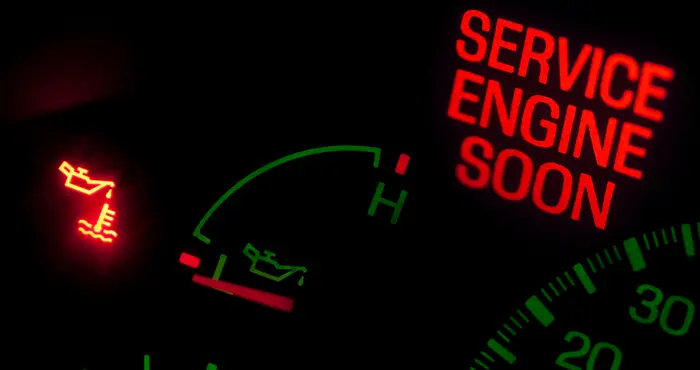
Few combinations of letters and numbers can strike dread into the heart of a car owner like P0420. It’s one of the most common check engine light codes, and for good reason—it’s often a precursor to an expensive repair. But what does it actually mean, and what are your options when it appears?
Let’s demystify the P0420 code and turn panic into understanding.
What is a P0420 Code?
In simple terms, the diagnostic trouble code P0420 stands for “Catalyst System Efficiency Below Threshold (Bank 1).”
To understand that, we need a quick lesson on your car’s exhaust system:
- The Catalytic Converter: This is a critical part of your car’s emissions system. Its job is to act like a chemical scrubber, converting harmful pollutants from the engine (like carbon monoxide, unburned fuel, and nitrogen oxides) into less harmful gases (like carbon dioxide, water vapor, and nitrogen) before they exit the tailpipe.
- The Oxygen Sensors (O2 Sensors): Your car has at least two oxygen sensors. One is located before the catalytic converter (the “upstream” sensor) and one is located after it (the “downstream” sensor).
The car’s computer (the Engine Control Unit or ECU) constantly monitors the readings from these two sensors. The upstream sensor’s signal oscillates rapidly as the engine manages the fuel mixture. The downstream sensor’s signal should be much more stable because the catalytic converter has done its job and “cleaned” the exhaust.
P0420 is triggered when the ECU sees that the signal from the downstream oxygen sensor is too similar to the signal from the upstream sensor. This tells the computer that the catalytic converter is not working efficiently enough to clean the exhaust gases.
What Are the Symptoms of a P0420 Code?
Sometimes, a P0420 code is the only symptom. The car may seem to run perfectly fine. However, you might also experience:
- An illuminated check engine light (the most common sign).
- A slight decrease in fuel economy.
- A lack of engine performance or sluggish acceleration.
- A rotten egg or sulfur smell from the exhaust.
- Failed emissions test, which can prevent you from renewing your vehicle registration.
What Causes a P0420 Code?
While a failing catalytic converter is the most direct cause, it’s not always the culprit. The code points to an inefficient system, which can be caused by several issues:
- A Failed Catalytic Converter: This is the most common and most expensive cause. The converter can become clogged, damaged by impact, or contaminated by engine coolant, oil, or unburned fuel, destroying its internal honeycomb structure.
- A Faulty Oxygen Sensor: The downstream O2 sensor itself could be lazy, slow to respond, or giving incorrect readings, tricking the ECU into thinking the catalyst is bad.
- Exhaust Leaks: A leak before or near the downstream oxygen sensor can allow fresh air into the exhaust stream, which skews the sensor’s readings and can trigger a P0420.
- Engine Misfires or Running Too Rich: If the engine is burning too much fuel (a “rich” condition) or misfiring, it can dump unburned fuel into the exhaust. This overheats and melts the inside of the catalytic converter, destroying it. This is often the root cause of a converter failure.
- Engine Oil or Coolant Consumption: Burning oil or leaking coolant into the combustion chamber can coat and poison the catalytic converter, rendering it ineffective.
How is a P0420 Code Diagnosed?
A proper diagnosis is key to avoiding unnecessary repairs. A good technician won’t just quote you for a new converter immediately. The process should include:
- Scan Tool Data: Viewing the live data from the upstream and downstream O2 sensors to see their waveforms and confirm they are too similar.
- Visual Inspection: Checking for obvious exhaust leaks, damage to the converter, or signs of contamination.
- Checking for Other Codes: Looking for codes related to misfires or fuel trim that could point to an underlying engine problem.
- Testing Components: This may include testing the oxygen sensors, checking fuel pressure, and performing a combustion leak test to rule out coolant entering the exhaust.
What Are the Repair Options and Costs?
This is where the news can be hard to hear, but knowledge is power.
- Replace the Catalytic Converter: This is the most straightforward and reliable fix, but also the most expensive. Costs can range from $1,000 to $2,500+ for parts and labor, depending on the vehicle. Always use a quality OEM or EPA-compliant aftermarket part.
- Replace the Oxygen Sensor: If diagnosis confirms the sensor is faulty, this is a much cheaper and simpler fix, typically costing $200 to $500.
- Fix Underlying Issues: If a misfire or rich condition is found, repairing that (e.g., new spark plugs, ignition coils, or a mass airflow sensor) is essential. Sometimes, clearing the code after this repair can solve the P0420 permanently.
- Catalytic Converter Cleaner: These “miracle in a bottle” solutions are a temporary fix at best and rarely work on a converter that is already flagged by the ECU as failed. They are not a recommended long-term solution.
- The “Spark Plug Non-Fouler” Trick: A well-known DIY “fix” involves installing an extender (non-fouler) on the downstream O2 sensor to pull it out of the exhaust stream. This can trick the sensor into reading a “clean” signal, turning off the light. Be aware: This is not a repair. It does not fix the underlying emissions problem, is illegal for street-driven vehicles in many areas, and will cause your car to fail an emissions test.
The Bottom Line
A P0420 code is a serious signal from your car’s emissions system. While it can be tempting to ignore it if the car seems to run fine, doing so can lead to further damage, worse performance, and a guaranteed failure at your next emissions inspection.
Start with a professional diagnosis to pinpoint the true cause. While the repair bill might be significant, addressing it correctly the first time will save you money and hassle down the road, and ensure your car is running as cleanly and efficiently as it should.
 Amolia
  Mr lays