


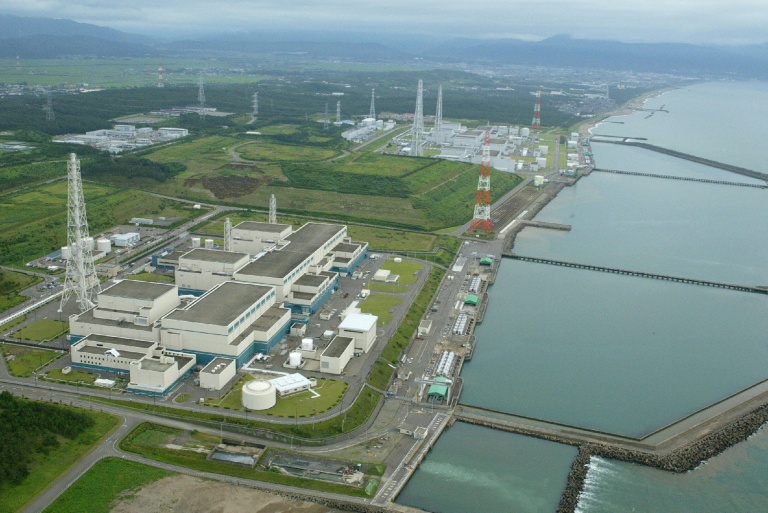
TOKYO — In a major shift for Japan’s energy policy, the Kashiwazaki-Kariwa nuclear power station—the world’s largest nuclear plant by capacity—is poised to restart operations as early as Wednesday. The move comes over a decade after the 2011 Fukushima disaster led to the nationwide idling of nuclear reactors and marks a significant step in Japan’s effort to ensure stable power supplies and reduce carbon emissions.
The Kashiwazaki-Kariwa plant, located in Japan’s Niigata prefecture on the country’s western coast, has seven reactor units with a combined generating capacity of 8.2 gigawatts—enough to power over 13 million households. Its restart follows years of stringent safety upgrades, regulatory reviews, and local consultations, reflecting Japan’s fraught relationship with nuclear energy since the Fukushima meltdowns.
A Long Road Back
After the Fukushima catastrophe, Japan shut down all 54 of its operational reactors and embarked on a comprehensive reassessment of nuclear safety. The restart process has been slow and contentious, requiring plants to meet new, robust safety standards against earthquakes, tsunamis, and severe accidents.
Kashiwazaki-Kariwa, operated by Tokyo Electric Power Company (TEPCO)—the same utility responsible for the Fukushima Daiichi plant—has faced particular scrutiny. The Nuclear Regulation Authority (NRA) granted initial approval for restarting two of its reactors in 2017, but local consent, a critical informal step, took years to secure. Concerns over evacuation plans, operational transparency, and TEPCO’s management culture had delayed the process until recent agreements with Niigata prefecture and the host communities of Kashiwazaki and Kariwa.
Drivers for Restart
The restart is driven by several pressing factors:
- Energy Security: Japan, lacking significant domestic fossil fuel reserves, has relied heavily on imported liquefied natural gas, coal, and oil since 2011. This dependence has strained its trade balance and left it vulnerable to global price shocks, exacerbated recently by geopolitical tensions.
- Climate Commitments: Japan has committed to achieving carbon neutrality by 2050. With renewables still scaling up, the government views nuclear power—which produces negligible greenhouse gas emissions during operation—as an essential baseload energy source to bridge the transition.
- Economic Pressure: High electricity prices have impacted households and industries. Restarting idled nuclear capacity is expected to help lower power costs and improve economic competitiveness.
- Utility Viability: For TEPCO, restarting Kashiwazaki-Kariwa is crucial for financial recovery. The company has faced massive liabilities from the Fukushima cleanup and compensation, and the plant’s operation is key to its long-term stability.
Safety and Public Sentiment
Despite regulatory assurances, public opinion remains divided. Polls show a gradual, cautious acceptance of nuclear restarts amid energy concerns, but a significant portion of the population, especially in communities hosting plants, remains wary. The Kashiwazaki-Kariwa facility itself has a history of incidents, including a fire after an earthquake in 2007, which fuels skepticism.
Local governments have secured agreements for enhanced safety monitoring, regular drills, and economic support. “Our decision comes after thorough examination and on condition of the highest priority on safety,” said Niigata Governor Hideyo Hanazumi in a recent statement.
Implications for Japan’s Energy Mix
Before 2011, nuclear power supplied about 30% of Japan’s electricity. As of early 2024, only about 10 reactors have resumed operation, contributing roughly 7–8% of power generation. Restarting Kashiwazaki-Kariwa’s reactors would significantly boost that share, moving Japan closer to its government target of having nuclear provide 20–22% of electricity by 2030.
The restart also signals to international observers Japan’s recommitment to nuclear energy as part of the global low-carbon transition—a stance shared by a growing number of countries reevaluating nuclear power in light of climate and energy security goals.
Looking Ahead
The reactivation of the world’s largest nuclear plant is more than an operational milestone; it is a symbol of Japan’s pragmatic, if uneasy, reconciliation with nuclear power. As the first reactor at Kashiwazaki-Kariwa prepares to go back online, the world will be watching how Japan balances its immense energy needs with safety, public trust, and environmental responsibilities in a post-Fukushima era.
For now, Wednesday’s anticipated restart represents a turning point—one that powers not just homes and factories, but Japan’s broader ambitions for a stable, affordable, and lower-carbon future.