

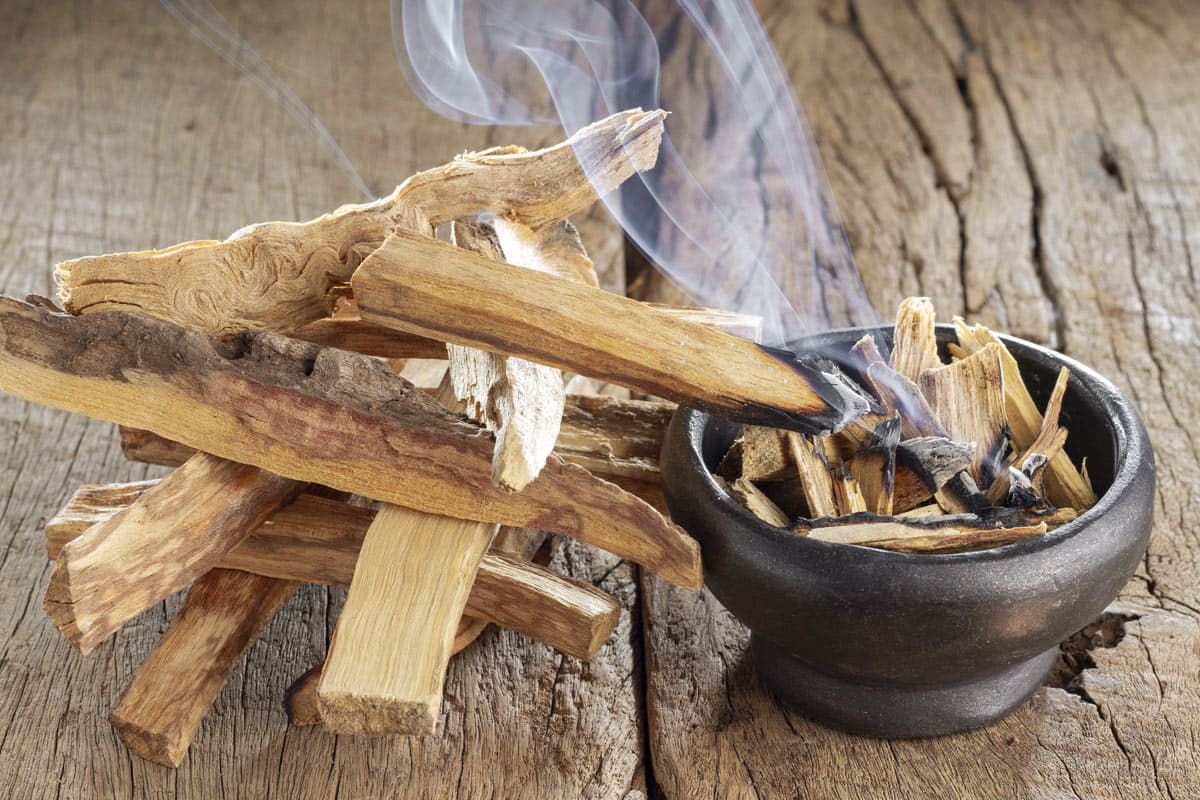
In the realms of spiritual practice, holistic wellness, and modern mindfulness, few aromas are as instantly evocative as the sweet, citrusy, and subtly pine-like scent of Palo Santo. This “holy wood,” harvested from the Bursera graveolens tree in the dry forests of South America, has transcended its ancient origins to become a global phenomenon. But beyond its trendy appeal lies a deep history, complex ecology, and a cultural legacy that demands both reverence and responsibility.
Roots in Ancient Tradition
For centuries, indigenous communities in Peru, Ecuador, and other parts of the Andes and coastal regions have held Palo Santo as sacred. The name itself is Spanish for “holy wood,” a label given by conquistadors who witnessed its use in indigenous purification ceremonies. The Secoya, Quechua, and Manta peoples, among others, have long used it for spiritual healing, ritual cleansing, and as a medicine for ailments ranging from colds to inflammation.
Its traditional use is intentional and seasonal. The wood is considered truly ready only when it has fallen naturally and lain on the forest floor for four to ten years, allowing it to mature and develop its rich, aromatic resins. This natural harvesting process is central to its sacred status.
The Modern Resurgence: From Ritual to Room Spray
Today, Palo Santo has crossed into the mainstream. You’ll find it bundled in yoga studios, burned before meditation sessions, and wafting through boutique shops. Its contemporary uses are varied:
- Energetic Cleansing: Many burn it to clear negative energy from spaces, objects, or personal auras, much like sage or cedar.
- Meditation Aid: Its calming scent is used to create a focused, serene atmosphere for mindfulness practices.
- Natural Insect Repellent: Its aromatic compounds are effective at deterring mosquitoes.
- Simple Aromatherapy: Appreciated purely for its complex, uplifting fragrance that reduces stress and promotes relaxation.
A Scent of Controversy: Sustainability and Ethics
With soaring popularity come significant concerns. The surge in global demand has led to threats of overharvesting and illegal logging of living trees, which damages ecosystems and produces inferior, low-resin wood.
Key points of concern include:
- Live Tree Cutting: Sustainably harvested Palo Santo must come from naturally fallen branches. Harvesting from living trees is ecologically destructive and culturally disrespectful.
- Species Confusion: Not all “Palo Santo” is the true Bursera graveolens. Other, less aromatic species are sometimes sold under the same name.
- Cultural Appropriation: The commodification of a sacred indigenous tool without acknowledgment or fair benefit to source communities is a critical issue.
Walking the Path of Conscious Use
For those drawn to its magic, responsible engagement is paramount:
- Source Transparently: Purchase from reputable suppliers who provide FSC certification or clear proof of sustainably harvested, fallen wood. Many ethical companies work directly with forest communities.
- Educate Yourself: Understand its cultural roots. Acknowledge it as more than a commodity—it’s a sacred plant with a history.
- Use it Mindfully: Treat it with intention, not as a casual incense. A little goes a long way; a single stick can be used many times.
- Explore Alternatives: If sourcing is unclear, consider other sustainably harvested herbs like local sage, cedar, or lavender for cleansing rituals.
The True Spirit of the Wood
Palo Santo is more than a passing wellness trend. It is a bridge between worlds—ancient and modern, physical and spiritual. Its true value lies not just in its enchanting smoke, but in the lessons it carries: the importance of patience (allowing the wood to mature naturally), the principle of sustainable reciprocity, and the power of intention.
When used consciously, Palo Santo can be a profound tool for connection—to a moment, to a space, and to the ancient wisdom of the forests from which it comes. The goal is to ensure that as we enjoy its sacred smoke, we also participate in preserving the living tree, its ecosystem, and the cultural heritage it represents for generations to come.
 Amolia
  Mr lays