

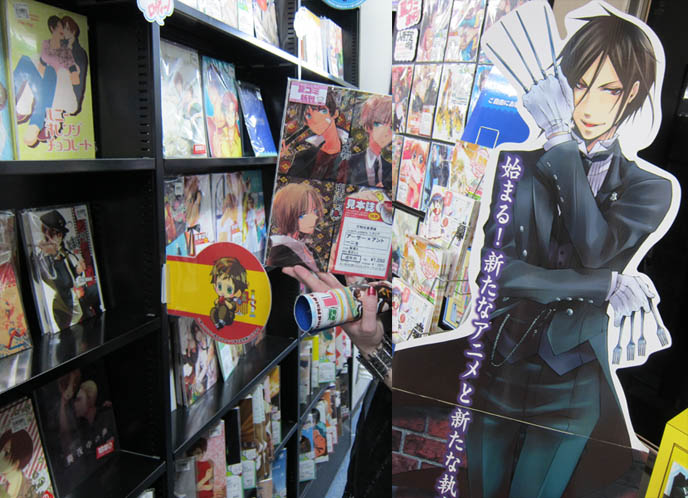
What Are Yaoi Comics?
Yaoi comics, also referred to as Boys’ Love (BL), are a genre of manga and comics that explore romantic and often sensual relationships between male characters. Originating in Japan during the 1970s, yaoi has evolved into a globally recognized form of art and storytelling that blends drama, romance, emotional depth, and explicit content. These comics are primarily created by women, for women, although their fanbase is rapidly diversifying across all genders and orientations.
A Brief History of Yaoi
The term yaoi is an acronym for “Yama nashi, Ochi nashi, Imi nashi”, meaning “no climax, no point, no meaning,” used humorously to describe early fan-made homoerotic manga. However, it soon gained structure and complexity, morphing into a legitimate genre.
Key milestones in Yaoi development:
- 1970s: Fan-made manga (dōjinshi) of popular shōnen series began circulating, portraying romantic pairings of male characters.
- 1980s: Professional yaoi manga publications like June emerged, establishing it as a standalone genre.
- 1990s-2000s: Expansion into anime adaptations and international translations fueled global popularity.
- 2010s-present: Webcomics and mobile platforms diversified the format and increased accessibility.
Yaoi vs. Shōnen-ai: Understanding the Difference
While often used interchangeably, yaoi and shōnen-ai differ in tone and content. Shōnen-ai (literally “boys’ love”) typically focuses on emotional relationships and romance without explicit sexual scenes. Yaoi, on the other hand, often includes more graphic depictions of intimacy, catering to a more mature audience.
The Appeal of Yaoi Comics Worldwide
The global popularity of yaoi comics can be attributed to several factors:
- Emotional storytelling: Readers appreciate the nuanced emotional depth, character development, and intricate narratives.
- Diverse relationship dynamics: Yaoi often explores a wide range of power dynamics (seme/uke), gender roles, and emotional conflicts.
- Representation: For many LGBTQ+ readers, yaoi provides visibility and connection. For others, it offers fresh romantic tropes outside heteronormative standards.
- Art style: The beautiful, expressive illustrations attract readers who appreciate visual storytelling.
Top-Rated Yaoi Comics You Should Read
1. Given by Natsuki Kizu
A compelling mix of music and romance, Given tells the story of four band members, focusing on the growing bond between Mafuyu and Ritsuka. Its anime adaptation brought more fans into the yaoi genre, known for its emotional intensity and deep characterization.
2. Ten Count by Rihito Takarai
This psychological yaoi explores themes of trauma, anxiety, and healing. The relationship between Shirotani, a man with obsessive-compulsive disorder, and his therapist Kurose is both controversial and thought-provoking.
3. Love Stage!! by Eiki Eiki and Taishi Zaou
Blending humor and romance, this yaoi manga follows Izumi, a boy from a showbiz family, and Ryoma, an actor who falls for him. It offers a light-hearted yet sincere exploration of self-discovery and acceptance.
4. Yarichin Bitch Club by Tanaka Ogeretsu
Known for its unapologetic erotic content and comedy, this manga features a group of flamboyant students in a high school photography club. It’s outrageous, energetic, and not for the faint of heart.
5. Doukyuusei by Asumiko Nakamura
A tender and poetic story about two high school boys, Hikaru and Rihito, Doukyuusei captures the innocence and complexity of young love. Its minimalist art style and emotional subtleties make it a standout in the genre.
Digital Transformation of Yaoi Comics
With the rise of webtoons, digital manga apps, and fan-translated scanlations, yaoi content has become more accessible than ever.
Popular platforms include:
- Lezhin Comics: A go-to site for premium yaoi webcomics.
- Tapas: Offers a wide selection of free and paid BL titles.
- MangaPlaza & Futekiya: Official sources for licensed BL manga with high-quality translations.
These platforms are helping legitimize the industry while offering global readers legal ways to enjoy their favorite stories.
Cultural Impact of Yaoi in the West
The Western embrace of yaoi has led to the creation of original English-language BL (OEL BL). Creators from the U.S., Europe, and Southeast Asia are developing stories influenced by Japanese yaoi but infused with regional styles and themes. This global fusion is pushing the boundaries of the genre and making it more inclusive.
Examples of Western BL creators:
- HamletMachine (Starfighter)
- Suzanne Samin (Amongst Us)
- L. Bell (Love Circuits)
Their contributions show that yaoi is no longer confined to Japan but is part of a worldwide artistic movement.
Common Tropes in Yaoi Comics
Understanding the classic tropes helps readers appreciate how the genre has evolved. Some frequently seen themes include:
- Seme/Uke Dynamics: The dominant (seme) and submissive (uke) roles are foundational, though modern yaoi often subverts this.
- Forbidden Love: Teacher/student, boss/employee, or even supernatural pairings are often explored.
- Angst and Redemption: Characters overcome past trauma or internal conflict, leading to powerful emotional arcs.
- Slow Burn or Instant Passion: Stories may develop gradually or jump straight into intensity.
Criticism and Controversies
Yaoi, like many genres, is not without its critiques. Topics that have raised discussions include:
- Non-consensual scenes: Some stories romanticize questionable consent, leading to ethical debates.
- Stereotypical roles: The over-reliance on seme/uke dynamics can feel reductive.
- Lack of authentic LGBTQ+ voices: Many argue that since yaoi is created by and for cisgender women, it may not reflect real queer experiences.
However, newer creators are actively addressing these issues, offering more consensual, respectful, and nuanced portrayals.
Future of Yaoi Comics
The future of yaoi looks diverse, digital, and inclusive. With the popularity of online platforms, greater cultural exchange, and increasing LGBTQ+ representation, the genre is expanding into new territory.
Upcoming trends to watch:
- More queer creators entering the space
- Non-binary and transgender representation
- Cross-media adaptations (audio dramas, games, live-action)
- Interactive storytelling formats
As the audience becomes more global and conscious, yaoi is evolving to reflect a broader spectrum of human relationships and identities.
Conclusion
Yaoi comics are more than just romantic tales between men—they are a complex, ever-evolving genre that reflects societal shifts, emotional truth, and artistic passion. Whether you’re a longtime fan or a curious newcomer, the world of yaoi offers deep stories, stunning art, and unforgettable characters that continue to inspire readers around the globe.
 Mr lays