


Insomnia, the persistent difficulty falling or staying asleep, is a silent epidemic affecting millions worldwide. It’s more than just a few restless nights; it’s a chronic condition that erodes your energy, mood, health, and overall quality of life. The frustration of watching the clock tick by while yearning for sleep is a uniquely exhausting experience. However, hope is not lost. Overcoming insomnia is often less about a single magic solution and more about a holistic recalibration of your habits, environment, and relationship with sleep. This guide provides a detailed, non-duplicated roadmap of actionable strategies to help you quiet your mind and restore restful nights.
Part 1: Foundational Principles – Building Your Sleep Sanctuary
Before tackling specific behaviors, it’s crucial to establish the bedrock of good sleep hygiene: your environment and schedule.
1. Craft a Chronotype-Consistent Schedule:
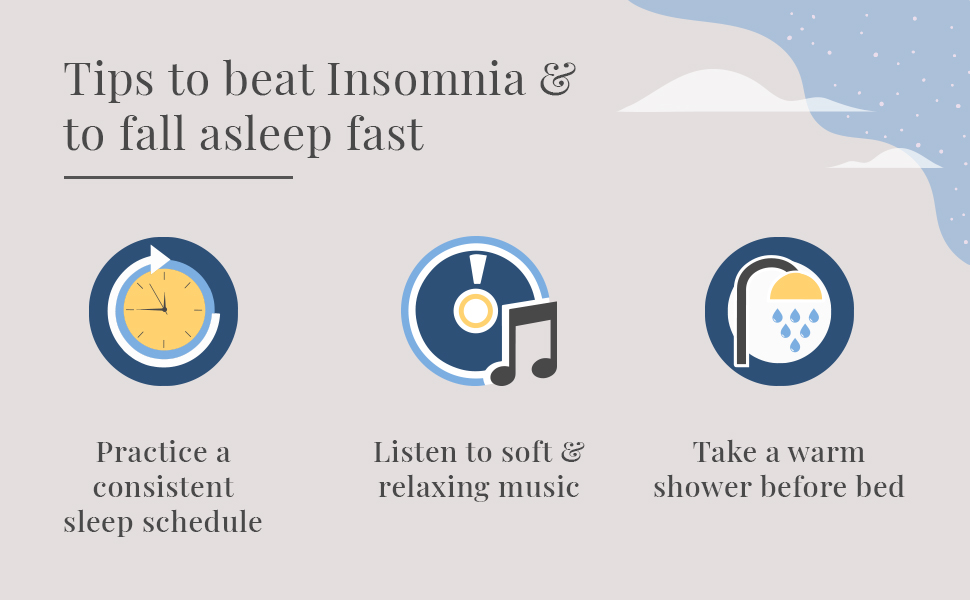
Your body thrives on predictability. Going to bed and waking up at the same time every day—even on weekends—solidifies your body’s internal clock (circadian rhythm). This consistency is more powerful than any sleeping pill. Identify your natural chronotype (are you an early bird or a night owl?) and align your schedule as closely as possible with it. Consistency signals to your brain when it’s time to release sleep-inducing hormones like melatonin.
2. Engineer the Ideal Sleep Environment:
Transform your bedroom into a cave dedicated to sleep. This means:
- Cool Temperature: Aim for a room temperature between 60-67°F (15-19°C). A drop in core body temperature is a key sleep initiator.
- Complete Darkness: Invest in blackout curtains or a high-quality sleep mask. Eliminate all sources of light, however small, from chargers, electronics, or streetlights.
- Sacred Quiet: Use earplugs, a white noise machine, or a fan to drown out disruptive sounds. Consistent, soothing sound can mask jarring interruptions.
- Reserve the Bed for Sleep (and Intimacy): Train your brain to associate the bed with restfulness, not wakefulness. Avoid working, watching intense TV, or scrolling on your phone in bed.
Part 2: The Daytime Protocol – Setting the Stage for Sleep
Your actions during the day have a profound impact on your night.
3. Harness Light Exposure Strategically:
Light is the primary driver of your circadian rhythm.
- Morning Sunlight: Seek bright, natural light within 30-60 minutes of waking. This suppresses melatonin and signals alertness, setting a clear countdown for its release later.
- Evening Dimness: As dusk approaches, reduce exposure to blue and bright light. Use dim, warm-toned lamps. Activate “night mode” settings on devices or, ideally, stop using them 60-90 minutes before bed.
4. Master the Art of Stress Containment:
A racing mind is the arch-nemesis of sleep. Don’t wait until bedtime to address stress.
- Designate a “Worry Period”: In the late afternoon, spend 15-20 minutes writing down anxious thoughts and potential solutions. Close the notebook mentally, symbolically containing your worries until the next day.
- Incorporate Mindfulness Practices: Regular meditation, deep-breathing exercises (like 4-7-8 breathing), or gentle yoga trains your nervous system to shift from “fight-or-flight” to “rest-and-digest.”
5. Re-evaluate Exercise Timing:
Regular physical activity is excellent for sleep, but its timing matters. Finish moderate-to-vigorous exercise at least 3 hours before bedtime. The energizing and core-temperature-raising effects can interfere with sleep onset. Gentle movement like stretching or restorative yoga in the evening, however, can be beneficial.
Part 3: The Evening Wind-Down – The Pre-Sleep Ritual
The hour before bed should be a gradual transition from wakefulness to sleepiness.
6. Develop a Personal Buffer Zone Ritual:
Create a 45-60 minute screen-free routine. This could include:
- Reading a physical book under soft light.
- Taking a warm bath or shower. The subsequent cool-down mimics the body’s natural temperature drop.
- Practicing light stretching or progressive muscle relaxation.
- Listening to calming music or an audiobook with a sleep timer.
7. Mind Your Intake with Precision:
- Caffeine Curfew: Establish a strict caffeine cutoff time, typically 8-10 hours before bed. Remember, caffeine is in coffee, tea, chocolate, soda, and some medications.
- Alcohol Awareness: While it may induce drowsiness, alcohol fragments sleep architecture, suppressing crucial REM sleep and causing mid-night awakenings.
- Evening Meal Strategy: Avoid heavy, rich, or large meals within 3 hours of bed. If needed, a very small, sleep-promoting snack (e.g., a banana, a handful of almonds, tart cherry juice) 45 minutes before bed can be helpful.
Part 4: In-the-Moment Strategies – When You’re Awake in Bed
What you do when sleep eludes you is critical.
8. Adhere to the 20-Minute Rule:
If you are awake in bed for more than 20 minutes (don’t watch the clock, just estimate), get up. Leave the bedroom and do a quiet, boring activity in dim light (e.g., read a dull magazine, listen to soft music). Return to bed only when you feel sleepy. This reinforces the bed-sleep connection.
9. Employ Cognitive De-fusion Techniques:
When anxious thoughts arise, learn to observe them without engaging. Imagine your thoughts as leaves floating down a stream, or clouds passing in the sky. Acknowledge them (“I’m having the thought that I’ll be tired tomorrow”) and let them pass without following the narrative they create.
10. Consider a Journal Dump:
Keep a notepad by your bed. If a brilliant idea or nagging to-do item pops up, jot it down in one or two words. This act of externalizing the thought can remove its power to loop in your mind.
Part 5: When to Seek Advanced Help
If you have diligently practiced these strategies for 4-6 weeks with no improvement, it may be time to seek professional guidance.
- Cognitive Behavioral Therapy for Insomnia (CBT-I): This is the gold-standard, first-line treatment for chronic insomnia. CBT-I is a structured program that helps you identify and replace thoughts and behaviors that cause or worsen sleep problems with habits that promote sound sleep. It often includes techniques like sleep restriction (temporarily limiting time in bed to consolidate sleep) and stimulus control (strengthening the bed-sleep association).
- Medical Consultation: A doctor can rule out underlying conditions (e.g., sleep apnea, thyroid issues, chronic pain) or medications that may be contributing to your insomnia.
5 Small FAQs on Insomnia
1. Is it really that bad to use my phone in bed if I have a blue-light filter?
While blue-light filters help, they are not a complete solution. The engagement itself—scrolling through social media, reading emails, playing games—is mentally and emotionally stimulating. This cognitive arousal directly counteracts the state of relaxation needed for sleep. The content can also trigger stress, excitement, or anxiety, making it harder to wind down.
2. I fall asleep fine but wake up at 3 AM and can’t get back to sleep. What should I do?
This is a common pattern. First, ensure it’s not an environmental factor (noise, temperature, light). If your mind is active, practice the 20-minute rule: get up and do a quiet, non-stimulating activity until drowsy. Avoid checking the time, as this increases anxiety. Also, review your late-day habits—hidden caffeine, alcohol, or an too-early bedtime (causing you to have gotten “enough” sleep by 3 AM) could be culprits.
3. Are naps allowed if I have insomnia?
Proceed with extreme caution. If you must nap, do so early in the afternoon (before 3 PM) and limit it to a strict 20-minute “power nap.” Longer or later naps can reduce your sleep drive, making it harder to fall asleep at night. For many with insomnia, it is best to avoid naps altogether to build a strong, consistent sleep drive for nighttime.
4. I’ve heard about sleep restriction in CBT-I. Isn’t less time in bed counterintuitive?
It may seem so, but it’s a powerful, evidence-based technique. By temporarily restricting time in bed to match your actual sleep time, you create a mild sleep deficit. This increases your sleep drive (the pressure to sleep), making sleep more efficient and consolidated. As sleep improves, time in bed is gradually extended. This should only be done under the guidance of a trained therapist or with careful research.
5. What about natural supplements like melatonin or valerian root?
Melatonin is a hormone, not a sedative. It can be helpful for circadian rhythm issues (like jet lag or shift work) but is less effective for general insomnia. If used, start with a very low dose (0.5-1 mg) taken 1-2 hours before bed. Valerian root has mixed evidence. The critical point is to treat supplements as part of a broader strategy, not a standalone cure, and to consult a doctor first, as they can interact with medications.
Conclusion
Overcoming insomnia is a journey of patience and self-experimentation. It requires shifting from a state of frantic struggle to one of gentle, consistent practice. There is no single, duplicated tip that works for everyone; rather, it is the synergistic effect of multiple lifestyle adjustments that rebuilds your sleep foundation. Start by solidifying your schedule and optimizing your environment—the pillars of sleep hygiene. Then, methodically integrate daytime stress management, a mindful evening wind-down, and constructive strategies for those challenging nighttime awakenings.