

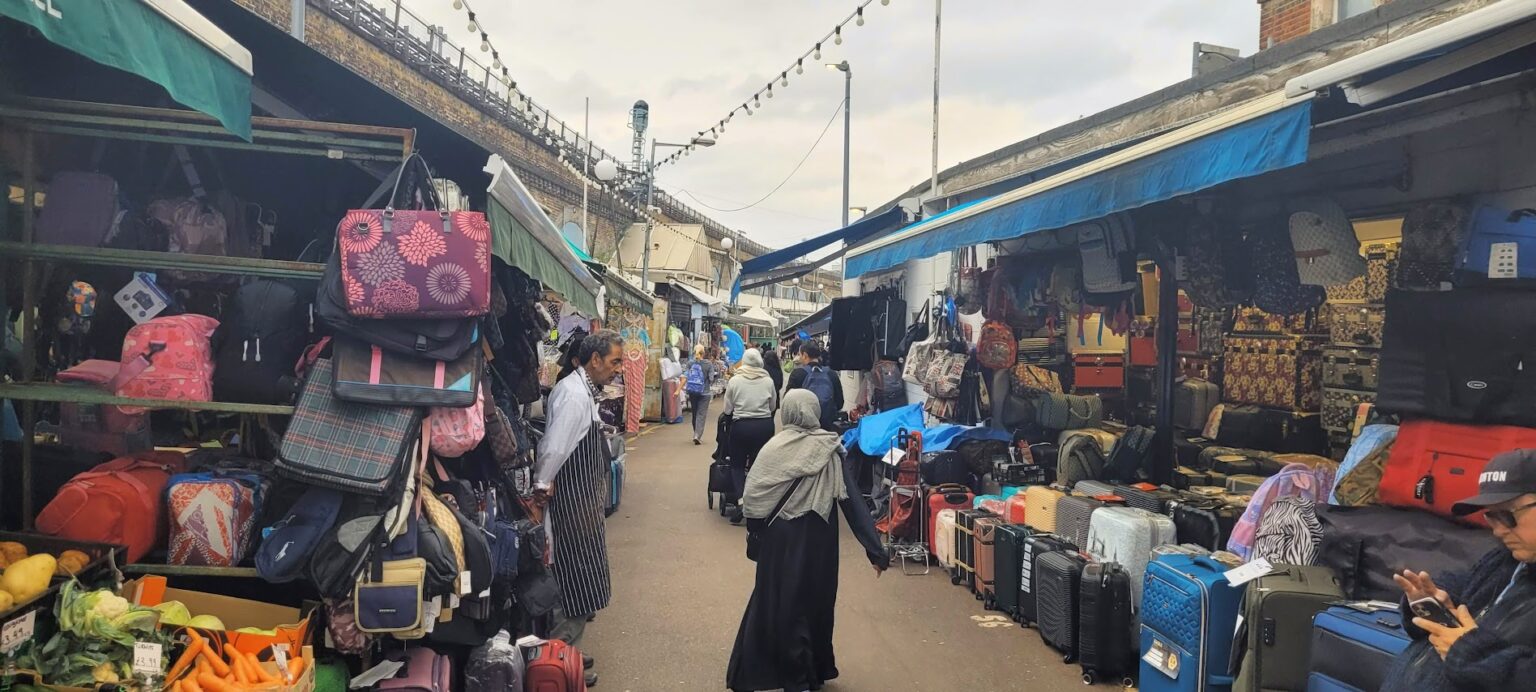
The British high street has long been the beating heart of local communities, a tapestry of independent butchers, bookshops, and bakeries. Yet beneath this charming façade, a fierce battle for survival is being waged. A new, comprehensive study has now mapped the economic fault lines across the UK, revealing a stark “postcode lottery” for small business viability, where location can be the single greatest predictor of success or failure.
The research, analysing data from Companies House, local economic indicators, and business surveys, paints a picture of a nation divided. While entrepreneurial spirit burns bright from Cornwall to Caithness, the ecosystem required to sustain it is unevenly distributed. The findings highlight several key pressure points creating this survival gap.
The Urban-Rural Divide: More Than Just Footfall
Unsurprisingly, the struggle is most acute in certain rural and post-industrial towns. However, the reasons extend far beyond simple footfall.
- The Accessibility Chasm: In many rural areas, poor public transport and limited broadband connectivity (the so-called “digital divide”) create immediate barriers. A boutique in a picturesque village may struggle with parcel collections and deliveries, while a graphic designer in a remote cottage faces unreliable internet, directly impacting their ability to compete.
- The Customer Base Crunch: Sparse populations mean a smaller immediate customer base. Businesses become heavily reliant on seasonal tourism or are forced to cater to a narrow demographic, leaving them vulnerable to economic downturns and changing consumer habits.
- The Support Desert: The study identified a critical lack of local business support networks. Access to mentors, affordable accountants, and sector-specific advice is often concentrated in major cities. For a fledgling business owner in a struggling town, finding this guidance can be a lonely and daunting task.
The High Street Squeeze: A Perfect Storm
Even in more populated areas, the traditional high street is under siege from a perfect storm of pressures.
- Rates, Rents, and Rising Costs: Soaring business rates and commercial rents were consistently cited as the primary threat. Coupled with rising energy bills and supply chain inflation, profit margins are being eroded to breaking point. A café owner in a market town might see most of their revenue swallowed by fixed costs before they’ve even sold their first coffee of the day.
- The Parking Predicament: A seemingly mundane issue with monumental consequences. Towns with expensive or limited parking actively drive customers to out-of-town retail parks with free, easy parking, suffocating central high streets.
- The E-commerce Juggernaut: The convenience of online giants is an undeniable pull. For small retailers, the challenge isn’t just competing on price, but on the sheer convenience and marketing power of these digital behemoths.
Beyond London: The Regional Disparity
While London presents its own unique challenges with extreme costs, the study reveals that the capital’s vast economy and density of wealth still create opportunities absent elsewhere. The real struggle is in the regions outside the Southeast’s economic orbit.
Former industrial heartlands in the North of England, the Midlands, and parts of Wales show higher rates of small business closures. Here, a combination of lower average disposable income, a legacy of economic decline, and underinvestment in town centres creates a headwind that even the most determined entrepreneur finds difficult to overcome.
The Human Cost and the Path Forward
This isn’t just an economic story; it’s a human one. Behind every closed shop is a dream deferred, local jobs lost, and a community left with a little less character and choice.
The study concludes that a one-size-fits-all national policy is not the answer. Instead, it calls for a hyper-localised strategy:
- Radical Rate Reform: Urgent review and restructuring of business rates to reflect the modern retail landscape and ease the burden on physical premises.
- Investing in “Connectivity”: Treating both transport links and full-fibre broadband as critical infrastructure, not luxuries.
- Empowering Local Councils: Giving towns and cities more power and funding to implement local solutions, such as free parking initiatives, business improvement districts, and grants for shopfront improvements.
- Community-Conscious Consumerism: A cultural shift where consumers are actively encouraged to “shop local,” understanding that spending £10 in an independent store circulates far more money within the local economy than the same spend with a multinational.
The spirit of British enterprise is not dead. But this study serves as a crucial wake-up call. Ensuring the survival of our small businesses requires recognising that the battle is not a fair fight across the UK. The future of our high streets depends on our ability to level the playing field, one community at a time.
 Amolia
  Julia
Julia