

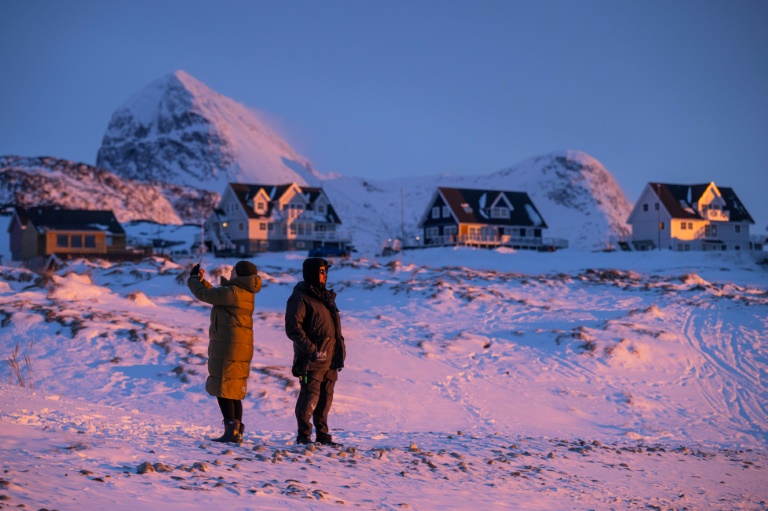
In the vast, icy reaches of the North Atlantic, a ripple of skepticism and concern has spread across the world’s largest island. News of a potential resolution from former U.S. President Donald Trump—reportedly involving Greenland’s strategic or economic status—has been met not with anticipation, but with profound doubt and a renewed assertion of local agency. For Greenlanders, this is not a new chapter, but a weary replay of a moment they had hoped was behind them.
The source of the unease traces back to 2019, when Trump’s confirmed interest in purchasing Greenland was globally met with a mix of disbelief and diplomatic offense. In Nuuk, the capital, the idea was swiftly and unanimously rejected as a colonial anachronism. “Greenland is not for sale,” declared then-Premier Kim Kielsen, a sentiment echoing the will of a population that has been steadily moving toward greater self-rule from Denmark.
Today, whispers of a new “Trump resolution” – whether framed as a push for strategic investment, a security pact, or revived territorial interest – are being filtered through this lived experience. The dominant reaction among Greenlandic politicians, scholars, and everyday citizens is one of deep-seated doubt.
“We Have Our Own Voice”
“The first episode taught us that distant powers can see us only as a piece on a geopolitical chessboard, rich in resources and strategic location, but poor in sovereignty,” says Aqqaluk Lynge, a veteran Greenlandic politician and former chair of the Inuit Circumpolar Council. “Any new proposal coming from that same mindset will be doubted. We are not passive; we have our own parliament, our own government, and our own voice.”
This doubt stems from several core Greenlandic perspectives:
- Sovereignty is Non-Negotiable: Greenland’s journey toward full independence is a slow, complex, but nationally cherished project. Any external resolution perceived to undermine or sideline the Home Rule government is dead on arrival. The conversation, Greenlanders insist, must be with them, not about them.
- Geopolitical Whiplash: Greenland is acutely aware of its position between competing giants. While Chinese mining interests raised eyebrows in Washington, and Russian activity in the Arctic amplifies security concerns, Greenland seeks stable, respectful partnerships. The volatile, transactional nature of Trump’s previous approach is seen as the opposite of that stability.
- Economic Promises vs. Social Realities: Proponents of increased American involvement often tout investment and jobs. Yet, many in Greenland question whether large-scale, externally-driven projects would benefit local communities or simply extract wealth. The priority for many is sustainable development that preserves the environment and Inuit hunting traditions.
- A Cultural Mismatch: The top-down, sensationalist style of the 2019 bid clashed profoundly with Greenlandic culture, which values consensus, deep connection to the land, and quiet deliberation. A new “resolution” packaged in similar rhetoric is unlikely to find a receptive audience.
Nuuk Looks North and Inward
The doubt over Trump is coupled with a clear shift in Greenland’s own foreign policy posture. The government in Nuuk has been actively diversifying its partnerships, engaging with other Arctic nations, the EU, and Asian investors on its own terms. The focus is on climate change adaptation—an existential threat witnessed daily by Greenlanders—and on building a sustainable economy based on fisheries, controlled tourism, and possibly responsible mineral extraction.
“The message from Greenland is consistent: we are open for business, but on the basis of equality and mutual benefit,” explains Minik Ingholdt, a political commentator in Nuuk. “The doubt about any Trump resolution isn’t just about him; it’s about any proposal that doesn’t start from that fundamental point of respect. We decide our future.”
As the Arctic warms and its strategic value soars in the eyes of world capitals, Greenland finds itself at a crossroads. The renewed interest from Washington, particularly under a potential future Trump administration, is a geopolitical inevitability. However, the lesson from the icy shores of Disko Bay to the fjords of South Greenland is clear: the era where great powers could draw resolutions over the heads of the 56,000 people who call this island home is over.
The doubt is not born of isolationism, but of a hard-won confidence. Greenlanders will listen, but they will assess any proposal through a strict lens: does it acknowledge their sovereignty, respect their culture, and align with their vision for a sustainable, independent future? On that test, based on past performance, any “Trump resolution” faces a formidable iceberg of skepticism.
 Julia
Julia