

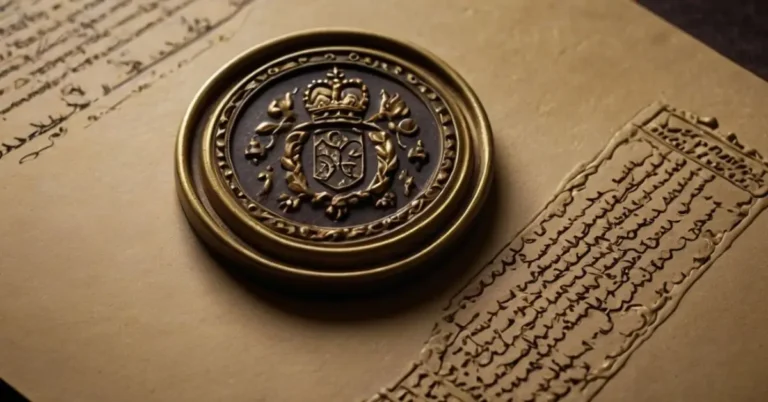
In an age of digital clicks and fleeting emails, there exists a timeless symbol of elegance, security, and intention: the wax seal. And within this ancient craft, one variant stands above the rest as the pinnacle of quality and tradition—Royal Seal Wax.
More than just a functional adhesive, Royal Seal Wax is the embodiment of a moment made special. It transforms the simple act of sending a letter into a profound gesture, a tangible piece of artistry that whispers of importance and care before the envelope is even opened.
What is Royal Seal Wax?
Royal Seal Wax is not a single brand but a classification for the highest grade of sealing wax available. Unlike modern, flexible “glue gun” waxes, true Royal Seal Wax is a hard wax formula designed specifically to create a crisp, detailed, and luxurious-looking seal. Its core characteristics set it apart:
- Composition: Traditionally made from a blend of natural resins (like shellac), pigments, and chalk or plaster. This creates a brittle, hard finish that is perfect for capturing fine detail without sticking to the stamp.
- The Signature “Snap”: When broken, a seal made with royal wax produces a satisfying, clean snap. This feature was historically a security measure, as it made tampering evident. Today, it provides a uniquely tactile experience for the recipient.
- Unmatched Detail: The hard formula allows it to hold the most intricate details of a custom seal stamp, from family crests and monograms to elaborate logos. The impression is deep, clear, and professional.
A Brief Dip into History
The use of sealing wax dates back to the Middle Ages, used by royalty, the church, and government officials to authenticate documents and ensure their privacy. The “royal” designation comes from its use by kings and queens to authorize proclamations, treaties, and letters. The most famous historical wax is King Louis XIV’s Cire d’Espagne (Spanish Wax), a high-gloss, vibrant wax known for its superb quality, setting the standard for what we now call “royal” wax.
Why Choose Royal Seal Wax Today?
In our modern world, the practical need for wax seals has faded, but their symbolic power has only grown.
- Elevate Your Stationery: Wedding invitations, formal announcements, and thank-you notes are instantly transformed into heirlooms. A wax seal adds a weight of importance and elegance that paper alone cannot achieve.
- Branding with Prestige: Businesses use custom wax seals on packaging, certificates, and client correspondence to convey luxury, attention to detail, and a commitment to quality.
- The Ultimate Personal Touch: In a world of mass-produced items, a hand-poured wax seal is a powerful statement of personal effort and care. It tells the recipient, “This was made just for you.”
- Security & Authenticity: While not foolproof, a broken wax seal still signals that a document or package has been opened, adding a layer of authenticity and vintage security.
How to Use Royal Seal Wax
Using royal wax is a simple but rewarding process:
- Light the Wick: Most royal wax comes in a stick form with a woven wick running through its center.
- Drip the Wax: Hold the stick at a 45-degree angle over your desired spot on the envelope. Let the wax drip, rotating the stick to build a pool about the size of a quarter.
- Stamp It! Press your clean metal seal stamp firmly into the center of the molten pool. Hold it steady for 10-15 seconds without wiggling.
- The Reveal: Gently and straight upward, lift the stamp to reveal your perfect, regal impression.
The art of the wax seal is a beautiful rebellion against the impersonal nature of modern communication. Royal Seal Wax is the key to this tradition—a tool for creating moments of beauty, intention, and connection that are felt, heard, and remembered.
FAQs on Royal Seal Wax
Q1: Is Royal Seal Wax flexible for mailing?
A: Generally, no. Traditional royal wax is hard and brittle, making it susceptible to cracking or shattering if handled roughly by postal sorting machines. For mailing, it is highly recommended to place the sealed envelope inside a larger, protective bubble mailer or rigid box. Alternatively, you can use a flexible “supple” wax formula designed for postage.
Q2: What’s the difference between Royal Seal Wax and glue gun wax?
A: The difference is in composition and result:
- Royal Seal Wax: Hard, brittle, made for detail. Applied with a flame. Creates a classic “snap” seal.
- Glue Gun Wax: Flexible, rubbery, made for durability. Applied with a low-temperature glue gun. Better for mailing but often captures less detail and has a different, less traditional texture.
Q3: What kind of stamp should I use with it?
A: Always use a metal stamp with a deeply engraved face. Plastic or acrylic stamps can melt or warp when pressed into the hot wax. The weight and deep engraving of a brass or zinc stamp are essential for creating a perfect impression with hard wax.
Q4: My wax is sticking to the stamp. How do I prevent this?
A: Sticking is usually caused by the stamp being too warm or having residual wax on it. Ensure your stamp is completely clean and cool before each use. You can briefly place the stamp face-down on a non-flammable, cool surface (like a ceramic tile) before pressing it into the wax. Some crafters also use a very light mist of cooking spray on the stamp as a mold release, but this must be done sparingly and carefully.
Q5: Can I choose any color?
A: Absolutely! Royal Seal Wax comes in a vast array of classic and modern colors. From traditional deep reds and regal golds to vibrant blues, greens, and even metallics or pearls, the choice is yours. Many brands offer mixes to create a custom look.
Q6: Is it safe to use?
A: Yes, but as with any open flame, caution is necessary. Use the wax in a well-ventilated area, away from flammable materials like paper or curtains. Always have a stable, non-flammable surface to drip the wax onto (a ceramic plate or tile works well) and a secure holder for the hot stamp. Never leave a burning wax stick unattended.
 Mr lays
  Julia
Julia