

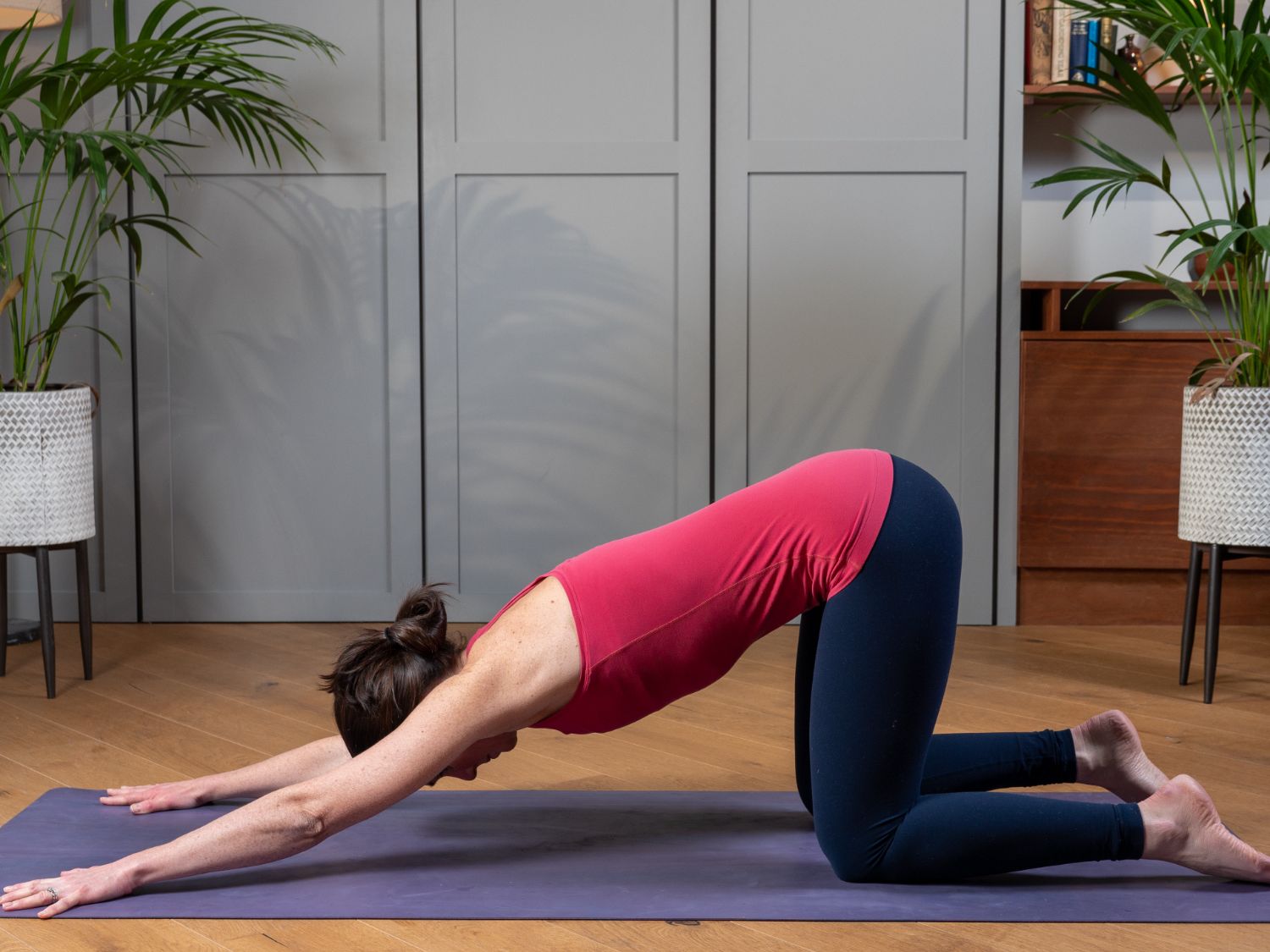
Yoga, an ancient discipline originating in India over 5,000 years ago, has evolved into a global phenomenon revered for its holistic integration of mind, body, and spirit. Far more than mere physical postures, yoga is a sophisticated science of well-being. Its exercises, known as asanas, form one limb of this expansive system, designed not just to build strength and flexibility, but to prepare the body for meditation, cultivate self-awareness, and channel energy. This exploration delves into the diverse world of yoga exercises, categorizing them by intent and effect, and illuminating their profound benefits beyond the mat.
Foundational Principles: Alignment, Breath, and Mindfulness
Before exploring specific postures, understanding the core principles that transform simple stretches into yoga exercises is crucial.
- The Unity of Breath and Movement (Vinyasa): In yoga, breath is the guide. Each movement is typically linked to either an inhalation or exhalation. This conscious breathing, known as Pranayama, oxygenates the blood, focuses the mind, and facilitates deeper movement. For example, one generally expands the chest or extends the body on an inhale, and folds or twists on an exhale.
- Intentional Alignment (Sthira Sukham Asanam): The Yoga Sutras describe an asana as a posture that is “steady and comfortable.” Proper alignment is pursued not for aesthetic perfection but to create a stable, safe structure that allows energy to flow freely and the mind to settle.
- Cultivation of Presence: Yoga is a moving meditation. The continuous focus on the sensations of the body, the rhythm of the breath, and the quality of the mind in the present moment is what distinguishes it from other physical workouts. This mindfulness component is the gateway to yoga’s mental and emotional benefits.
Categories of Yoga Exercises: A Spectrum of Intent
Yoga asanas can be grouped into families based on their primary physical effect and energetic quality.
1. Grounding and Centering Poses
These exercises establish a foundation of stability and inward focus, often used at the beginning of a practice.
- Mountain Pose (Tadasana): Appearing deceptively simple, Tadasana is the blueprint for all standing poses. Feet rooted, spine elongated, shoulders relaxed, and gaze soft. It teaches balanced standing and body awareness.
- Child’s Pose (Balasana): A restorative kneeling pose where the torso rests on the thighs and the forehead touches the ground. It gently stretches the back, hips, and thighs, promoting surrender and release of tension.
- Seated Meditation Postures: Such as Easy Pose (Sukhasana) or Adept’s Pose (Siddhasana). These cross-legged positions aim to create a comfortable, upright spine for Pranayama and meditation, grounding the practitioner’s energy.
2. Standing Poses: Building Strength and Resilience
This dynamic category builds heat, muscular endurance, and mental focus, enhancing stability and confidence.
- Warrior Poses (Virabhadrasana I, II, III): A powerful series that develops strength in the legs, core, and shoulders. Warrior I opens the chest and hips; Warrior II improves stamina and concentration; Warrior III challenges balance and full-body integration.
- Triangle Pose (Trikonasana): A lateral stretch that strengthens the legs, opens the hips and groin, stretches the spine, and stimulates abdominal organs. It requires and cultivates a sense of spaciousness within the body’s framework.
- Chair Pose (Utkatasana): An intense strength-builder that ignites the quadriceps and glutes while engaging the core and opening the shoulders. It teaches perseverance and builds internal heat.
3. Forward Folds: Calming and Introverting
These poses promote introspection, calm the nervous system, and release tension in the back body.
- Standing Forward Bend (Uttanasana): A deep release for the hamstrings and spine, it encourages blood flow to the brain, calming the mind and relieving mild anxiety.
- Seated Forward Bend (Paschimottanasana): A intense stretch for the entire posterior chain. It soothes the mind, can help alleviate headaches, and is said to stimulate the digestive organs.
- Wide-Legged Forward Fold (Prasarita Padottanasana): Offers a unique stretch for the inner thighs and hamstrings while providing the calming benefits of inversion and release.
4. Backbends: Energizing and Heart-Opening
Counter to forward folds, backbends are invigorating. They strengthen the back body, open the chest and shoulders, and combat the effects of sedentary postures.
- Cobra Pose (Bhujangasana): A gentle, accessible backbend that strengthens the spine, opens the chest, and can help alleviate stiffness from prolonged sitting.
- Bridge Pose (Setu Bandhasana): Strengthens the glutes, hamstrings, and back muscles while opening the chest and hip flexors. Its semi-inverted nature can be both energizing and restorative.
- Upward-Facing Dog (Urdhva Mukha Svanasana): A more demanding backbend that requires arm strength, lengthens the abdomen, and creates a profound opening across the pectorals and front of the shoulders.
5. Twists: Detoxifying and Balancing
Rotational poses massage internal organs, aid digestion, increase spinal mobility, and create a sense of mental and physical equilibrium.
- Seated Spinal Twist (Ardha Matsyendrasana): A classic twist that wrings out the abdomen, stimulates the liver and kidneys, and increases vertebral rotation.
- Revolved Triangle Pose (Parivrtta Trikonasana): A challenging standing twist that combines balance, strength, and rotation, promoting detoxification and sharpening focus.
- Supine Spinal Twist (Supta Matsyendrasana): A gentle, restorative twist often used at the end of a practice. It releases tension in the lower back and hips passively, encouraging relaxation.
6. Inversions: Changing Perspective and Boosting Vitality
By placing the heart above the head, inversions improve circulation, boost lymphatic drainage, and build upper-body and core strength. They literally offer a new viewpoint.
- Downward-Facing Dog (Adho Mukha Svanasana): A cornerstone pose that strengthens the arms and legs, lengthens the spine, and gently inverts the body, offering a boost of energy.
- Legs-Up-the-Wall Pose (Viparita Karani): A profoundly restorative, passive inversion. It reduces swelling in the legs, calms the nervous system, and is accessible to almost all practitioners.
- Headstand (Sirsasana) and Shoulderstand (Sarvangasana): Known as the “king and queen” of asanas, these advanced poses require significant strength, alignment, and preparation. They are revered for their potential to improve circulation, focus, and overall vitality but should be learned under expert guidance.
7. Restorative and Balancing Poses
These poses complete the practice cycle, integrating its effects.
- Balancing Poses (e.g., Tree Pose/Vrksasana, Eagle Pose/Garudasana): Enhance proprioception, mental focus, and inner stillness by demanding singular attention to maintain equilibrium.
- Restorative Poses (e.g., Supported Fish Pose, Supported Reclining Bound Angle): Use props like bolsters and blankets to support the body in positions of gentle opening for several minutes. They activate the parasympathetic nervous system, inducing deep relaxation and healing.
The Synergistic Benefits: Beyond Flexibility
The consistent practice of this spectrum of exercises yields transformative results:
- Physical: Enhanced muscular strength, endurance, and flexibility. Improved posture, joint health, balance, and cardiovascular efficiency.
- Mental: Sharpened concentration, reduced stress and anxiety, improved mood via nervous system regulation, and development of mindfulness that permeates daily life.
- Energetic: Many traditions speak of clearing energetic blockages (nadis) and balancing vital life force (prana), leading to increased vitality and a sense of holistic well-being.
5 Small FAQs on Yoga Exercises
1. I’m not flexible at all. Can I still do yoga?
Absolutely. Yoga is not about being flexible; it is about becoming more flexible, both in body and mind. A qualified instructor will offer modifications and the use of props (blocks, straps, bolsters) to make poses accessible. Your practice starts exactly where you are.
2. How often should I practice to see benefits?
Consistency is more important than duration. A focused 20-minute practice 3 times a week can yield more noticeable benefits than a single 2-hour session once a month. Even daily mindful movement for 10 minutes can create positive shifts.
3. What’s the difference between yoga and stretching?
While both improve flexibility, yoga is a holistic system integrating conscious breath, mindful presence, and specific alignment principles with physical movement. Its aim is systemic integration (mind-body-spirit), whereas stretching primarily targets muscular elongation.
4. I have a pre-existing injury/medical condition. Is yoga safe for me?
Yoga can be wonderfully therapeutic, but it is imperative to inform your instructor of any injuries or conditions (e.g., high blood pressure, glaucoma, recent surgery) before class. They can provide appropriate alternatives. Consulting with a healthcare provider and seeking a qualified yoga therapist is advisable for specific rehabilitation.
5. Do I need special equipment?
A non-slip yoga mat is the primary tool. Comfortable, stretchy clothing that allows movement is key. Props like blocks, a strap, and a blanket are highly recommended, especially for beginners, as they support proper alignment and make poses more accessible.
Conclusion
Yoga exercises represent a profound language of the body, a way to communicate with and understand our physical and subtle selves. From the grounding solidity of Mountain Pose to the liberating openness of a backbend, from the introspective calm of a forward fold to the revitalizing shift of an inversion, each asana offers a unique lesson in strength, surrender, balance, and awareness. This diverse toolkit allows practitioners to meet themselves daily, responding to their evolving needs with compassion and intelligence.
Ultimately, the practice on the mat is a microcosm for life off it. The resilience built in Warrior Pose translates to facing daily challenges. The patience cultivated in a held stretch applies to difficult situations. The mindful presence nurtured in balancing becomes focus at work. By engaging in this ancient yet perpetually relevant discipline, we embark on a journey of holistic self-care, discovering that the true essence of yoga is not in touching our toes, but in what we learn on the way down. It is a transformative practice that invites us not just to move, but to truly inhabit our bodies and, in doing so, cultivate a more peaceful, resilient, and integrated life.