

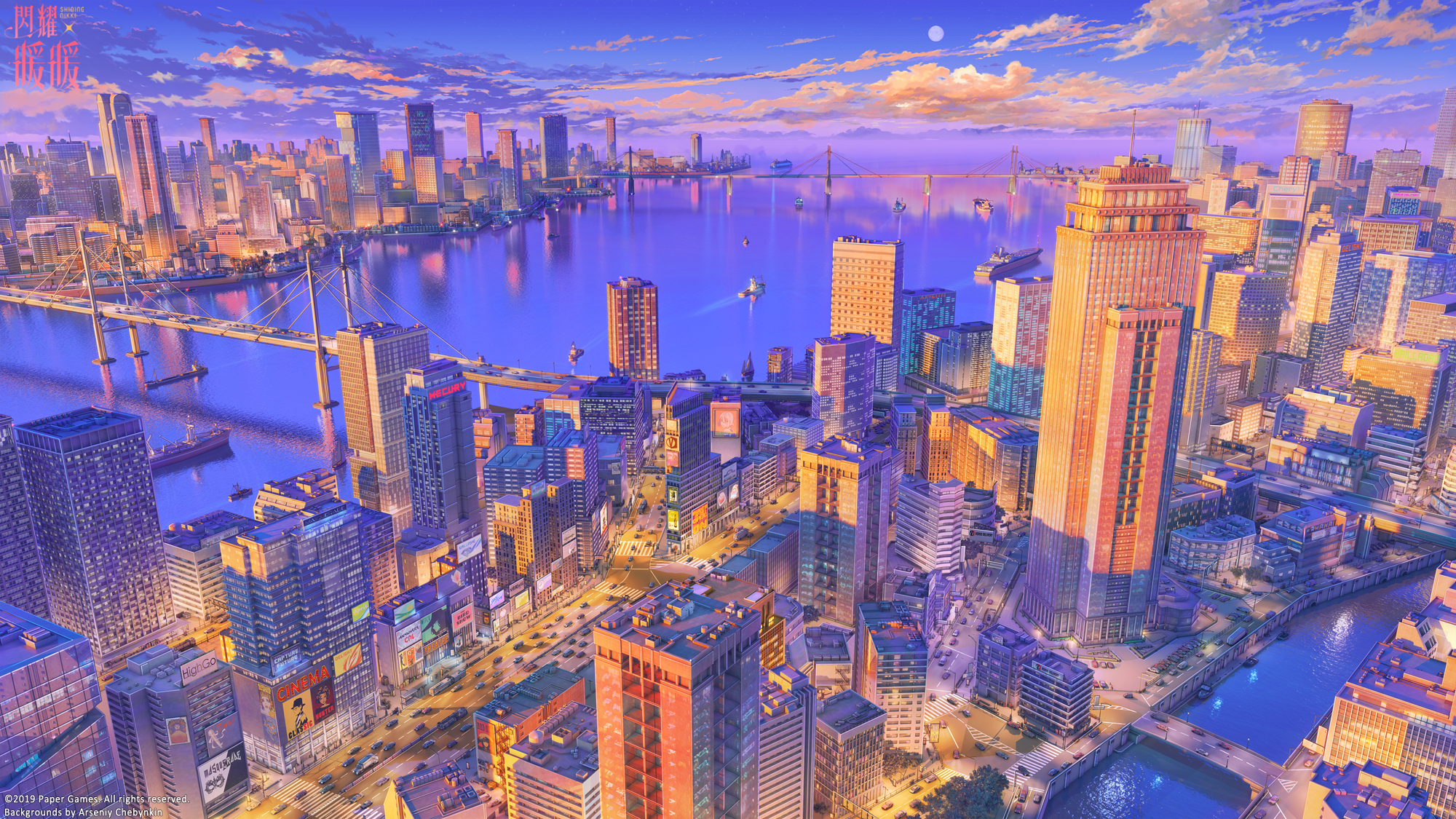
We are all familiar with the city’s rhythm—the rush of the morning commute, the quiet lull of a Sunday afternoon, the vibrant hum of a Friday night. But beneath these obvious cycles lies a deeper, more complex current, a force that shapes our urban experience in ways we scarcely notice. This force doesn’t have a formal name in any textbook, but if it did, we might call it Axurbain.
Axurbain (ak-SUR-bayn) is a portmanteau, a blend of “axis” and “urbain” (the French word for urban). It represents the idea that a city is not a monolith but a living entity structured around countless, often invisible, axes. These are not just physical streets or transit lines, but the fundamental channels of energy, data, capital, and human movement that define a city’s true form and function.
More Than a Map: The Axes of Modern Life
Traditionally, a city’s axis might be a grand boulevard, a river, or a railway line—a physical spine around which growth occurs. Axurbain thinking expands this concept into the 21st century.
- The Digital Axis: The fiber-optic cables buried under the asphalt, the 5G waves crisscrossing the air between skyscrapers, the paths of data from a server farm to a smartphone in a cafe. This invisible network is perhaps the most powerful axurbain force today, dictating where businesses cluster (tech hubs) and how citizens interact with their environment.
- The Economic Axis: The flow of capital is a powerful current. This is the path of a venture capital deal, the supply chain from the port to the warehouse to the store, the daily migration of consumers from residential neighborhoods to commercial districts. These flows create axes of wealth and, conversely, axes of neglect.
- The Cultural Axis: This is less about a street and more about a vibe. It’s the path of a viral trend from one boutique to a major fashion house, the migratory pattern of artists seeking affordable studio space, or the route of a soundwave from an underground club to a mainstream music festival. Cultural axes are fluid, organic, and constantly shifting.
The Axurbain Experience: You Feel It Without Knowing It
You have been guided by axurbain forces without ever realizing it.
Have you ever used a ride-sharing app that efficiently navigates the quickest route? It’s calculating a path based on real-time axurbain data—traffic flow (movement axis), GPS signals (digital axis), and surge pricing (economic axis).
Have you chosen a new apartment because it was in a “up-and-coming” neighborhood? You were likely sensing a shift in the cultural and economic axes, perhaps driven by new digital infrastructure or an influx of creative capital.
These invisible structures create a city’s character. The chaotic, layered axurbain of a place like Tokyo—where ancient spiritual paths exist alongside hyper-modern data streams—feels entirely different from the more planned and centralized axurbain of a city like Paris or Washington D.C.
Why the Concept of Axurbain Matters
Understanding the axurbain nature of our cities is crucial for everyone, from urban planners to everyday citizens.
- For Planners and Architects: It encourages a holistic view. You cannot build a successful public space without considering the digital access points, the economic incentives for people to gather, and the cultural currents that will make it appealing. Designing for the axurbain means designing for the full human experience.
- For Businesses: Success depends on locating oneself on the right axes. A retail store must be on a physical axis of foot traffic, but also on the digital axis of online visibility and the cultural axis of relevance.
- For Citizens: Recognizing these forces empowers us. It helps us understand why certain neighborhoods change, how to navigate the city more effectively, and what truly gives our urban home its unique pulse. It makes us literate in the language of the city.
The Unseen Pulse
The city is not just a collection of buildings and people. It is a dynamic, pulsating system of intersecting pathways—some concrete, some abstract. Axurbain is the word for this complex web of urban axes. It is the unseen pulse of the metropolis, the hidden architecture of our daily lives. By learning to see it, we don’t just navigate the streets; we begin to understand the soul of the city itself.