

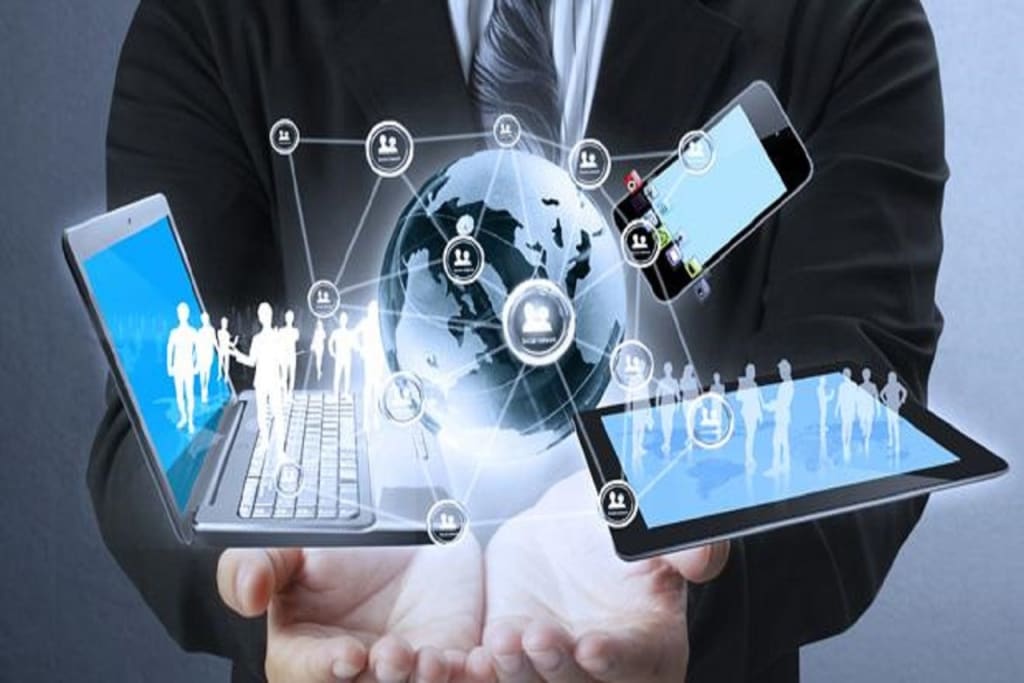
Technology has become an essential part of everyday life. From smartphones and smart homes to online shopping, digital banking, streaming platforms, and social media, modern society depends on digital tools in countless ways. This growing connection between people and technology is often described as a digital lifestyle.
A digital lifestyle is more than simply using the internet or owning a smartphone. It describes how digital technology influences the way people communicate, work, learn, shop, entertain themselves, manage their homes, and connect with the world. As technology continues to evolve, the digital lifestyle is becoming increasingly convenient, connected, and personalized.
What Is a Digital Lifestyle?
A digital lifestyle refers to the integration of digital technology into everyday activities. People use computers, smartphones, tablets, smart devices, applications, and online platforms to complete tasks that were once handled entirely offline.
For example, ordering food through an app, attending an online meeting, paying a bill through a mobile banking application, or watching a movie through a streaming service are all examples of a digital lifestyle.
The goal is not necessarily to spend more time online. Instead, digital technology can make daily activities faster, easier, and more accessible.
The Growth of the Digital Lifestyle
The digital lifestyle has developed rapidly over the last few decades. The introduction of personal computers brought digital technology into homes and offices. Later, the internet transformed communication and access to information.
The arrival of smartphones created another major change. People could suddenly access websites, applications, social networks, cameras, maps, banking services, and entertainment from almost anywhere.
Today, cloud computing, artificial intelligence, smart devices, and high-speed internet are taking the digital lifestyle even further.
Smartphones and Everyday Convenience
Smartphones are perhaps the most visible part of modern digital living. A single device can perform dozens of functions that once required separate tools.
People use smartphones to:
- Communicate with friends and family
- Check emails
- Navigate unfamiliar locations
- Manage finances
- Take photographs
- Shop online
- Read news
- Watch videos
- Attend virtual meetings
- Track fitness activities
Because smartphones combine so many services into one device, they have become central to everyday routines.
Digital Communication
Communication has changed dramatically because of digital technology. Traditional letters and expensive long-distance calls have been supplemented or replaced by instant messaging, video calls, email, and social media.
People can now communicate across countries within seconds. Businesses also use digital communication to collaborate with employees, customers, and partners around the world.
Video conferencing has become especially important for remote workers and international teams. It allows people to hold meetings without being physically present in the same location.
Digital Work and Remote Careers
The workplace has also become increasingly digital. Many professionals can now work from home or from almost any location with a reliable internet connection.
Cloud-based software, project management platforms, video conferencing tools, and online collaboration systems allow teams to work together remotely.
This shift has created opportunities for freelancers, entrepreneurs, remote employees, and online businesses. However, it also requires people to develop strong digital skills and maintain a healthy balance between work and personal life.
Online Learning and Education
Education is another area transformed by the digital lifestyle. Students can access courses, tutorials, digital libraries, educational videos, and online communities from their computers or smartphones.
Online learning can provide flexibility for people who cannot attend traditional classes. It also allows learners to explore subjects beyond what may be available locally.
Teachers increasingly use digital presentations, educational applications, online assignments, and virtual classrooms to support their students.
Digital Entertainment
Entertainment has become more personalized and accessible. Instead of depending entirely on television schedules, physical media, or traditional gaming systems, people can access entertainment whenever they want.
Streaming services provide movies, television programs, documentaries, and music on demand. Online gaming allows players to compete and communicate with people across the world.
Social media platforms have also created new forms of entertainment, including short videos, live streams, podcasts, and creator content.
Smart Homes and Connected Living
Smart home technology is becoming another important part of the digital lifestyle. Smart lights, security cameras, thermostats, speakers, appliances, and other connected devices can communicate through home networks.
A smart home can provide greater convenience and automation. For example, users may control lights with a smartphone or voice command, monitor their homes remotely, or automatically adjust certain settings.
As smart technology becomes more affordable, connected homes are becoming increasingly accessible to ordinary consumers.
Digital Shopping
Online shopping has changed the way people purchase products and services. Consumers can compare prices, read reviews, explore different brands, and place orders without visiting physical stores.
Mobile shopping has made this process even more convenient. Many businesses now provide personalized recommendations based on previous purchases and browsing behavior.
However, consumers should still be careful when shopping online. Checking seller reputation, product reviews, return policies, and payment security can help reduce potential risks.
Digital Payments and Banking
Financial services have also become an important part of digital living. Mobile banking applications and digital payment systems allow users to transfer money, pay bills, monitor accounts, and manage finances remotely.
Digital payments can save time and reduce the need to carry cash. At the same time, users should protect their passwords, enable security features, and avoid sharing sensitive financial information with unknown sources.
Social Media and Digital Communities
Social media allows people to share experiences, opinions, photographs, videos, and ideas with a global audience.
Digital communities can help people find others who share their interests. They can also provide opportunities for networking, learning, entertainment, and business promotion.
Nevertheless, excessive social media use can affect productivity and concentration. Creating healthy boundaries is therefore an important part of maintaining a balanced digital lifestyle.
Health and Fitness Technology
Technology has also entered the health and fitness industry. Smartwatches and fitness applications can track activities such as walking, running, workouts, and sleep.
Digital tools can encourage people to become more aware of their daily habits. Online fitness programs and health information can also make educational resources more accessible.
However, digital health information should be evaluated carefully, especially when it involves serious medical decisions.
The Role of Artificial Intelligence
Artificial intelligence is becoming an increasingly important part of digital life. AI-powered tools can assist with writing, translation, search, customer service, productivity, recommendations, and many other tasks.
AI can save time and automate repetitive activities. It is also changing the way businesses develop products and interact with customers.
As AI becomes more common, digital literacy will become increasingly important. People need to understand both the advantages and limitations of AI-powered systems.
Benefits of a Digital Lifestyle
A well-managed digital lifestyle can offer many advantages.
Greater Convenience
Digital services allow people to complete many tasks quickly without traveling or waiting in long lines.
Better Connectivity
People can stay connected with friends, family, colleagues, and communities around the world.
Access to Information
The internet provides access to enormous amounts of educational and informational content.
Improved Productivity
Digital tools can help people organize schedules, manage projects, communicate efficiently, and automate repetitive tasks.
Flexible Opportunities
Remote work, online education, freelancing, and digital businesses provide opportunities that were difficult to access in the past.
Challenges of Digital Living
Despite its benefits, a digital lifestyle also comes with challenges. Excessive screen time can interfere with sleep, concentration, and real-world interactions.
Privacy is another important concern. Online services often collect information about users, making it important to understand privacy settings and security practices.
Cybersecurity threats such as phishing, scams, malware, and account theft can also affect digital users.
Technology can be extremely useful, but it should be used thoughtfully rather than automatically.
How to Maintain a Healthy Digital Lifestyle
Maintaining balance is essential. People can create healthier digital habits by setting limits on unnecessary screen time, taking regular breaks, and disconnecting from devices before bedtime.
It is also useful to organize notifications and remove applications that create unnecessary distractions.
Strong passwords, two-factor authentication, software updates, and careful browsing habits can improve online security.
Most importantly, technology should support real life rather than replace meaningful relationships, physical activity, and personal experiences.
The Future of Digital Living
The future of the digital lifestyle will likely become even more connected. Artificial intelligence, smart homes, wearable devices, automation, and immersive technologies may continue changing how people work and communicate.
Technology may become increasingly personalized, with digital systems adapting to individual preferences and routines.
At the same time, responsible technology use will remain important. As digital tools become more powerful, people will need to balance convenience with privacy, security, health, and human connection.
Final Thoughts
The digital lifestyle has transformed everyday life in ways that were difficult to imagine just a few decades ago. Technology now influences communication, education, work, entertainment, shopping, finance, health, and home management.
The key is not to avoid technology but to use it wisely. When digital tools are used intentionally, they can save time, increase productivity, provide valuable information, and create new opportunities.
A successful digital lifestyle is ultimately about finding the right balance between technology and the real world. By developing good digital habits and staying aware of online risks, people can enjoy the benefits of modern technology while maintaining a healthier and more meaningful life.