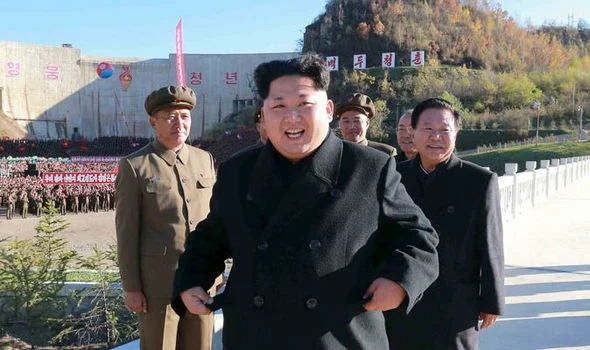
Over twenty six million people live inside North Korea, yet almost everything the outside world hears focuses solely on military parades and politics. Most foreign observers know very little about the normal morning routines, workplace habits, and family dinners of regular citizens. Learning about everyday life in North Korea helps us see the human side of a nation hidden behind strict borders. This guide gives you clear facts about how ordinary families survive, work, and spend their free time.
Daily life in North Korea is shaped by strict rules and deep community traditions. People build meaningful connections with relatives and coworkers despite facing economic hardships every day. Seeing what happens inside homes provides a realistic look at a society that is often misunderstood. Let us explore the daily routines that define life for millions of citizens.
The Social Status System That Shapes Every Life
Your entire future in North Korea depends heavily on a government classification system called Songbun. The state assigns every family a background rating based on the loyalty of their ancestors during past wars. People with high loyalty ratings get access to top universities, government jobs, and modern apartments in the capital. Citizens with lower ratings often end up working on collective farms or in heavy industrial mines for their entire adult lives.
This classification influences where a person can live and who they can marry. Families work hard to protect their standing by joining the ruling party and following every state instruction. Children inherit the loyalty tier of their fathers, which sets their path before they even attend school. Even so, the rise of cash trade has begun to give some lower tier citizens new ways to improve their living standards.
Morning Routines and Transportation to Work
Mornings in major cities like Pyongyang begin early with loud speakers broadcasting patriotic music across the streets. Workers wake up around six in the morning to prepare breakfast and get ready for their assigned shifts. Many homes lack reliable running water, so families keep large plastic bins filled from previous days. People wash up quickly, dress in modest clothes, and pin mandatory portrait badges of state leaders onto their shirts.
Getting to work requires patience and physical stamina. Most North Korean citizens do not own private cars, so they rely on crowded public buses, old street trams, or simple bicycles. Streets in large cities remain quiet compared to other Asian capitals because vehicle traffic is strictly limited. Factory workers often walk several miles to their workstations each morning in large organized groups.
Bicycles represent one of the most prized possessions for any ordinary household. A sturdy bicycle allows a family to carry goods to local markets and commute without waiting for broken transit lines. Owners must register their bicycles with local police departments and carry official license plates on the frame. Having reliable wheels makes a massive difference in how easily a person handles daily errands.
What Families Eat for Daily Meals
Food habits in North Korea center around simple staples that can be stored through harsh winters. Rice is the preferred grain for everyone, but many families outside the capital mix it with cheaper corn or barley to stretch supplies. A typical breakfast includes a warm bowl of grain porridge served with pickled cabbage known as kimchi. Fresh meat remains a rare treat reserved for major holidays and special family milestones.
The government used to supply all food through a central distribution system. That old system collapsed during severe famines in the nineteen nineties, forcing families to find their own food sources. Today, many households maintain small garden plots on steep hillsides to grow squash, beans, and cabbage. These small private gardens provide crucial calories when seasonal grain supplies run low.
Preserving food for winter is an essential task for every homemaker. In late autumn, neighborhoods gather for the annual kimchi making season, preparing large ceramic jars filled with fermented vegetables. Families bury these heavy jars in the ground to keep them cold and prevent freezing during freezing months. Kimchi supplies vital vitamins when fresh produce vanishes from market stalls.
How Private Markets Keep the Country Running
Private open air markets, known locally as Jangmadang, are the real center of commerce for most citizens. These busy marketplaces emerged out of necessity when state stores ran out of basic goods decades ago. Thousands of vendors set up small stalls selling everything from cooking oil to winter coats and homemade snacks. The government often tolerates these private sales because the state distribution system cannot meet the needs of the population.
Women run the majority of stalls in these thriving markets. Men must report to official state jobs even if those jobs pay almost nothing, leaving women free to earn household cash through commerce. Female traders show remarkable business skill by importing consumer goods from China and distributing them across regional towns. The money earned at local markets buys medicine, better food, and school supplies for the family.
Barter and foreign currency keep these market transactions moving smoothly. While the official North Korean won exists, smart traders prefer using Chinese yuan or United States dollars for valuable items. Foreign currencies hold their value much better against rising local inflation. This growing market culture has created a rising class of merchants who enjoy a much higher standard of living than traditional workers.
What School Life Looks Like for Children
Children in North Korea attend eleven to twelve years of compulsory education provided by the state. School days begin with uniform inspections and morning assemblies where students sing songs honoring the leadership. Classrooms feature large portraits of state leaders hanging on the front wall above the chalkboard. Students wear matching dark blue or red uniforms with red scarves indicating membership in the Young Pioneer Corps.
Academic subjects include mathematics, basic science, literature, and Russian or English language lessons. A significant portion of the weekly schedule focuses on political history and moral loyalty training. Children memorize stories about former leaders and learn about national history from a strict state viewpoint. Physical education classes emphasize military style marching, gymnastics, and obstacle courses.
Students also perform manual labor to support their schools and local communities. Classes often spend afternoons sweeping public squares, picking up trash along roads, or helping harvest crops on nearby farms. School facilities frequently lack heating in the winter, requiring pupils to bring their own firewood or coal briquettes to class. Despite these difficult conditions, education remains highly valued by parents who hope their children test into technical colleges.
Homes and Daily Utilities in Cities and Towns
Housing belongs entirely to the government, which assigns apartments and houses to families based on job rank and social status. In Pyongyang, privileged families live in tall concrete high rise towers with views across the Taedong River. Smaller towns feature rows of single story brick or mud cottages with tile roofs and small fenced yards. Living space is compact, with most families sharing two small rooms and a simple kitchen.
Power outages happen frequently in almost every part of the country. Even in the capital, electricity often shuts off for hours at a time, leaving apartment elevators stranded. Families rely on small solar panels mounted on apartment balconies to charge mobile phones and power basic light bulbs at night. In rural villages, candles and kerosene lanterns remain the primary lighting sources during long winter evenings.
Heating homes during bitter winter months is a continuous challenge. Traditional homes use a floor heating system called ondol, which channels smoke and heat from a kitchen fire beneath the floorboards. Families burn pressed coal briquettes or dried wood to stay warm while sleeping on thick mats. Running water is often available for only a few hours each week, requiring households to store water in large tubs for cooking and bathing.
Entertainment, Free Time, and Secret Media
Free time for ordinary citizens is limited, but people still find simple ways to relax and socialize. On sunny weekends, families gather in public parks to share food, sing folk songs, and play accordion music. Men enjoy playing strategy board games like Korean chess on outdoor park benches while chatting with neighbors. Children play jump rope, kick shuttlecocks, and run through neighborhood alleys after finishing their school chores.
Television broadcasting is tightly controlled by the state and offers only a few official channels. Programs feature state news broadcasts, historical dramas, military concerts, and sports matches. Radios sold in stores are factory modified to receive only government stations, with tuning knobs fixed in place. Many families still enjoy watching approved domestic movies on portable media players during quiet evenings at home.
A quiet underground trade in foreign entertainment has spread widely among younger generations. Smuggled USB flash drives and SD cards bring South Korean television dramas, music videos, and foreign films into the country. People watch these illicit shows behind closed curtains using small Chinese made players that run on rechargeable batteries. Watching foreign content carries severe legal penalties, but curiosity about the outside world remains powerful among ordinary citizens.
Neighborhood Watch Systems and Social Control
Every North Korean citizen belongs to a local neighborhood unit called an Inminban. An Inminban consists of twenty to forty households living in the same apartment block or street section. A trusted older woman usually serves as the unit leader, responsible for monitoring local activities and organizing community tasks. The leader knows who lives in each home, who visits, and what supplies each family brings into the building.
The Inminban leader conducts random late night home inspections to check for unregistered overnight guests. Anyone staying in a house without prior police permission can face serious fines or detention. Neighborhood cleanups, street sweeping, and scrap metal collection drives are also organized by this leader. Neighbors must report suspicious behavior, which creates an atmosphere where people stay careful about what they say in public.
Weekly self criticism sessions form another layer of community surveillance. Workers and neighborhood members gather in small groups to confess minor mistakes and point out flaws in their peers. People might confess to arriving late for work, slacking during collective farming, or failing to clean leader portraits properly. Participating in these routines is mandatory for maintaining a clean personal record with local authorities.
Workplaces and Mandatory Labor Duties
The state assigns every adult male to an official job in a factory, office, hospital, or collective farm. Workers receive small cash wages that rarely cover basic living expenses in the modern cash economy. Employees must still show up every morning to register their attendance and attend political lectures before starting work. Many factories operate below capacity due to chronic shortages of raw materials, electricity, and spare machine parts.
Agricultural workers on collective farms face demanding physical schedules throughout the growing season. Farm teams plant rice seedlings by hand in spring and harvest fields using simple sickles in the fall. Modern tractors and mechanical harvesters are scarce, so farm communities rely heavily on draft oxen and human labor. Rural households must turn over the majority of their harvest to the state grain agency before keeping their allotted household share.
Mobilization campaigns require city workers and students to perform extra physical labor outside their normal jobs. During the spring planting campaign, millions of urban residents travel to rural areas to help farmers plant fields. Workers also assist with public infrastructure construction, such as digging irrigation ditches, paving roads, and making concrete blocks. Refusing to participate in these labor drives can damage a citizen social rating and lead to official punishment.
Clothing Choices, Grooming, and Personal Styles
Fashion in North Korea is practical, conservative, and influenced by state guidelines. Men typically wear simple collared shirts, dark trousers, and utilitarian jackets in shades of blue, gray, or olive green. Women often wear modest blouses, knee length skirts, and practical flat shoes suitable for long walks. On national holidays, women dress in colorful traditional Korean dresses known as chosonot to attend public dance festivals.
The government provides specific lists of approved hairstyles for both men and women. Men keep their hair short and trimmed neatly above the ears, while women choose from a selection of clean, simple styles. Bright hair dyes, unconventional cuts, and long unkempt hair are strictly forbidden by social control patrols. Youth league inspectors patrol busy city streets to stop people wearing tight trousers, foreign logos, or unapproved clothing styles.
Every adult wears a metal badge showing the faces of past national leaders pinned securely over their heart. Forgetting to wear this badge in public is considered a serious social and political offense. Citizens take great care to keep their badges polished and securely fastened to their outer shirts or jackets. This small pin is a constant visual reminder of state authority in day to day public life.
Healthcare Access and Medical Challenges
On paper, North Korea provides free universal healthcare to every citizen across the nation. In reality, the public healthcare system suffers from shortages of modern equipment, clean running water, and sterile supplies. City hospitals have doctors who are dedicated, but they must work with outdated medical instruments and limited electricity. Patients often have to bring their own bandages, heating wood, and food when staying in hospital wards.
Essential medicines are difficult to obtain through official clinic pharmacies. When someone falls ill, family members usually head to the local Jangmadang to purchase medicine from private sellers. Traders sell imported painkillers, antibiotics, and basic vitamins brought across the border from China. Families also rely on traditional herbal remedies, such as boiled tree roots and herbal teas, to treat common colds and stomach ailments.
Preventative health depends heavily on public sanitation campaigns and seasonal habits. Neighborhoods participate in mass vaccinations when international aid organizations deliver medical supplies. Mothers share home remedies and trade health advice within their local apartment communities. Living through cold winters with limited medical supplies requires resilience and careful self care from every family member.
How Life in Pyongyang Compares to Rural Villages
The difference between life in Pyongyang and rural provinces is vast and immediately apparent. Pyongyang serves as the showcase capital, enjoying cleaner paved streets, reliable electricity, and modern recreation parks. Capital residents have access to department stores, coffee shops, pizza restaurants, and a clean underground subway system. Living in Pyongyang requires special government permits that are reserved for loyal party members and high performing workers.
Rural life outside the major cities moves at a much slower and harder pace. Villages often lack paved roads, indoor plumbing, and steady electric power grids. Farm workers carry heavy wooden frames on their backs to transport firewood and harvest crops from steep hillsides. Water must be drawn by hand from outdoor village wells or nearby mountain streams in all seasons.
Travel between different provinces is tightly restricted for all citizens. A person needs an official travel permit from the police department to leave their home district or visit another city. Police checkpoints on main roads and train stations inspect travel papers and search personal luggage for contraband goods. These strict internal travel rules keep the rural population separated from the modern privileges found inside the capital city.
Comparison of Daily Living Conditions
| Aspect of Life | Capital City (Pyongyang) | Rural Villages and Towns |
|---|---|---|
| Primary Transport | Subway, trams, and electric trolley buses | Walking, bicycles, and ox carts |
| Electricity Access | Several hours daily with solar backups | Rare grid power with solar panels |
| Primary Food Sources | State distribution and city markets | Private gardens, barter, and local markets |
| Housing Type | Concrete apartment high rises | Brick cottages with heated floors |
| Water Supply | Apartment plumbing with storage tubs | Village wells and mountain streams |
Practical Takeaways About Everyday Life in North Korea
- Family ties and close neighborhood bonds help ordinary people survive tough economic conditions.
- Private markets have become the real foundation of daily survival for millions of households.
- Most citizens spend their waking hours working, caring for children, and finding enough food for the week.
- Curiosity about the outside world continues to grow through smuggled foreign media on small memory sticks.
- Ordinary North Koreans show remarkable strength, adaptability, and resilience in their day to day lives.
Discover More About Life Around the World
Everyday life in North Korea is defined by hard work, resourcefulness, and strong community connections. Behind the political news and military headlines are ordinary parents who want a better future for their sons and daughters. Citizens find practical ways to solve shortages, earn money at private markets, and build warm memories with their families.
Learning how regular people live across the globe broadens your perspective on human resilience. Share this article with friends who want to discover the true facts about life behind closed borders. Leave your thoughts in the comments below or explore our other international culture guides to read more about our world today.

Discussion
No comments yet. Be the first to share your thoughts!
Leave a Comment