

Roughly seventy percent of companies now use some form of artificial intelligence in their daily operations. That number jumped from just thirty five percent three years ago. The businesses seeing the biggest gains are not the ones buying the most expensive tools. They are the ones applying AI to solve specific problems that cost them time and money every single week.
Most small and mid sized business owners feel overwhelmed by the sheer number of AI products on the market. New tools launch every day, and each one promises to fix everything. The truth is that you do not need a dozen different platforms to see real results. Three focused strategies can deliver more value than a scattered collection of random software.
This article breaks down three clear and practical ways to put AI to work in your business during 2026. Each strategy targets a specific area where most companies waste the most hours and dollars. You can start applying any of these methods this month without hiring a data scientist or spending a fortune.
Strategy 1: Automate Customer Service with AI Chat Tools
Customer support eats up more staff hours than almost any other department in a growing business. Your team answers the same questions about shipping times, return policies, and product details hundreds of times each week. Every repeated question pulls a real person away from work that actually requires human judgment and creativity.
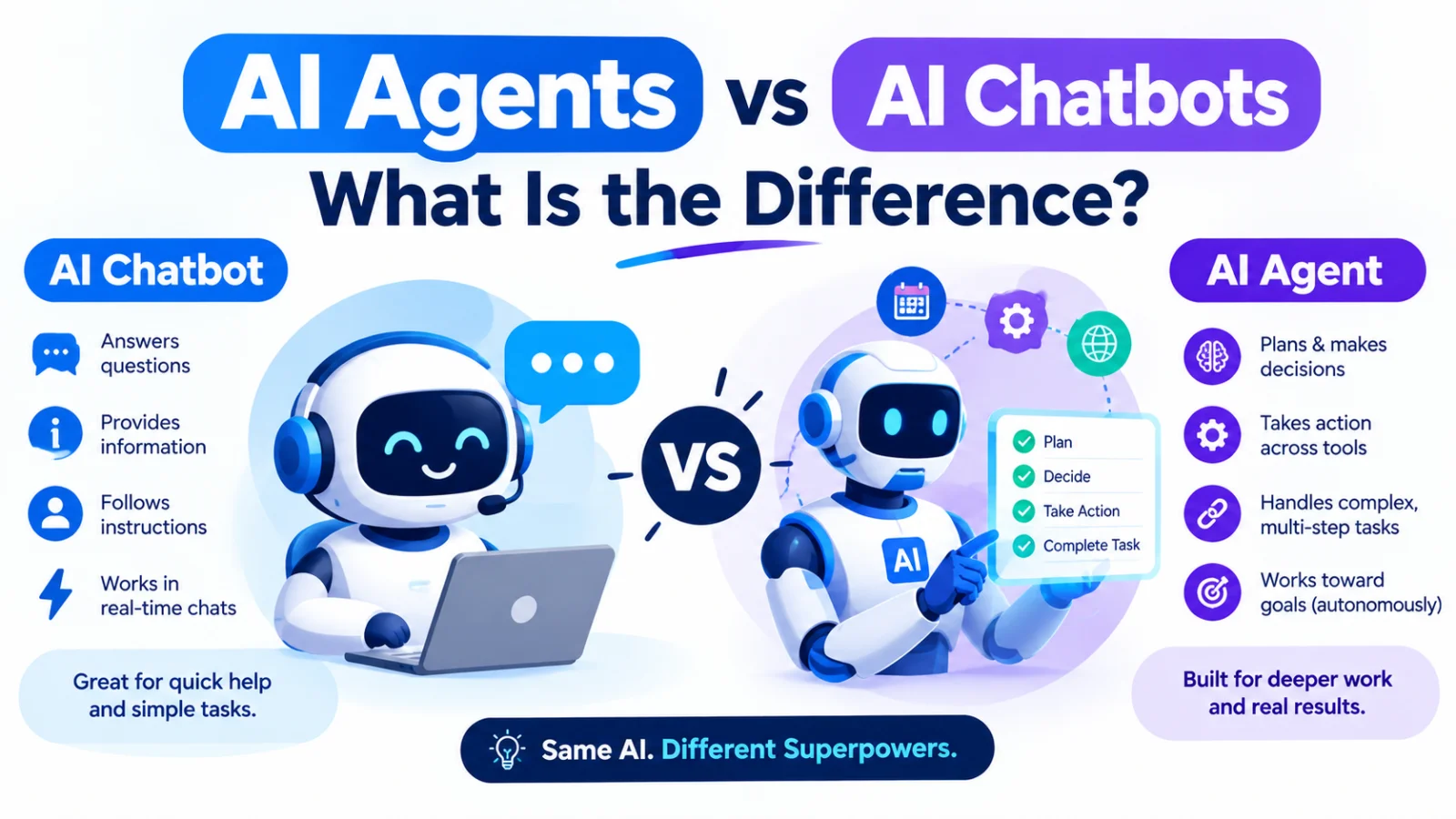
AI chat tools now handle these routine questions with impressive accuracy around the clock. A well configured chatbot can answer common inquiries about order status, store hours, and basic troubleshooting without any human help. Your support staff only steps in when a customer has a complicated issue that needs a personal touch.
The cost savings from this single change can be enormous for small businesses. One online clothing retailer cut their support costs by forty percent in just six months after adding an AI chat layer to their website. Customers got faster answers, and the human team focused on solving real problems instead of repeating the same tracking number lookup fifty times a day.
Setting up an AI chat tool is much simpler than most business owners expect. Modern platforms let you upload your existing FAQ documents and product descriptions to train the system in a few hours. The chatbot learns your specific policies and starts giving accurate answers almost immediately.
Customer satisfaction scores often improve after adding AI support because response times drop from hours to seconds. People do not want to wait half a day for an email reply about a simple return question. Instant answers make customers feel valued and keep them coming back to your store.
Strategy 2: Use AI to Speed Up Content and Marketing Production
Creating fresh marketing content is one of the biggest time drains for any business with an online presence. Blog posts, social media captions, email newsletters, and product descriptions all demand constant writing and editing. A small marketing team can easily spend twenty hours a week just producing enough material to stay visible.
AI writing tools compress that timeline dramatically by generating rough drafts in minutes instead of hours. You provide a topic, a few key points, and your brand voice guidelines. The software produces a complete first draft that your team can review, edit, and publish the same afternoon.
This speed advantage lets small teams compete with much larger companies that have dedicated content departments. A two person marketing team using AI tools can produce the same volume of content as a ten person team working without them. The quality stays high because human editors still review every piece before it goes live.
Visual content creation also benefits from AI tools that generate custom images and graphics from text descriptions. Instead of searching through stock photo libraries for hours, your team can create unique visuals that match your exact brand colors and style. This originality helps your content stand out in crowded social media feeds.
Email marketing campaigns improve significantly when AI helps you write personalized subject lines and body copy. The software analyzes past open rates and click data to suggest wording that resonates with your specific audience. Higher engagement rates lead directly to more sales and stronger customer relationships.
Strategy 3: Apply AI to Forecast Sales and Manage Inventory
Guessing how much product to order each month is one of the most expensive mistakes a retail business can make. Ordering too much ties up cash in warehouse shelves and leads to clearance markdowns. Ordering too little means missed sales and frustrated customers who take their money to your competitors.
AI forecasting tools analyze your past sales data, seasonal trends, and even local weather patterns to predict future demand. The software spots patterns that human planners often miss because they are buried in thousands of spreadsheet rows. These predictions help you order the right amount of stock at the right time.
One mid sized electronics retailer reduced their excess inventory by thirty percent after switching to AI powered demand forecasting. The freed up cash allowed them to invest in new product lines that their customers actually wanted. Better inventory decisions improved both their profit margins and their customer satisfaction scores.
These tools also help service businesses predict busy and slow periods so they can schedule staff more efficiently. A restaurant can use AI forecasts to know exactly how many servers to schedule on a given Friday night. This precision cuts labor costs during slow shifts while preventing understaffing during unexpected rushes.
Getting started with AI forecasting does not require a massive data warehouse or a team of analysts. Many affordable platforms connect directly to your existing point of sale system or accounting software. The AI reads your historical sales records and starts generating useful predictions within a few weeks of setup.
How These Three Strategies Work Together
These three approaches deliver the strongest results when you apply them as a connected system rather than isolated experiments. Better customer service data feeds your marketing team with insights about what buyers actually care about. Improved marketing drives more predictable sales patterns that your forecasting tools can analyze with greater accuracy.
Each strategy also frees up staff time that you can redirect toward the next priority on your list. When AI handles routine support tickets, your best employees can focus on creating better marketing campaigns. When AI speeds up content production, your team can spend more time analyzing sales data and planning inventory.
The compounding effect of these three changes creates a significant competitive advantage over the course of a year. Businesses that adopt all three strategies typically see measurable improvements in customer retention, revenue growth, and operational efficiency. The gains build on each other quarter after quarter.
Common Mistakes to Avoid When Adopting AI
The biggest mistake business owners make is trying to replace human workers entirely with AI tools. These systems work best when they handle repetitive tasks while your team focuses on creative and strategic work. Customers still want to talk to real people when they have serious concerns or complex problems.
Another common error is buying expensive enterprise AI platforms before testing simpler and cheaper options. Many small businesses get excellent results from affordable tools that cost less than a hundred dollars per month. Start with a basic plan, measure your results, and upgrade only when you clearly need more features.
Skipping the training phase is a third mistake that leads to poor results and wasted money. AI tools need accurate data and clear instructions to produce useful output for your specific business. Spending a few hours setting up your system properly will save you weeks of frustration later.
Measuring the Real Impact of Your AI Investments
Tracking clear metrics helps you determine whether your AI strategies are actually delivering value. For customer service automation, measure average response time, resolution rate, and customer satisfaction scores before and after implementation. These numbers tell you whether the chatbot is genuinely helping your support team.
For content and marketing production, track the volume of published pieces, engagement rates, and lead generation numbers. If your team is producing twice as much content and seeing higher click rates, the AI investment is paying for itself. Compare these metrics against your costs to calculate a clear return on investment.
For sales forecasting and inventory management, monitor your stock turnover rate, markdown frequency, and lost sale incidents. Fewer clearance events and fewer empty shelves indicate that the AI predictions are improving your buying decisions. These concrete numbers make it easy to justify continued investment to your partners or leadership team.
Practical Steps to Get Started This Month
Pick one of the three strategies that addresses your biggest current pain point and focus on that first. If your support inbox is overflowing, start with the AI chat tool. If your marketing calendar is always empty, begin with AI content generation. If your warehouse is full of unsold products, prioritize demand forecasting.
Set aside two hours this week to research and compare three different AI tools in your chosen category. Most platforms offer free trials that let you test the software with your real data before committing to a paid plan. Use the trial period to verify that the tool integrates smoothly with your existing systems.
Assign one team member to lead the implementation and give them clear goals for the first thirty days. A focused pilot project with measurable targets produces better results than a vague company wide rollout. Once you see positive numbers from your first experiment, expand to the second and third strategies.
The Competitive Landscape in 2026
Businesses that delay AI adoption are falling behind competitors who started experimenting years ago. The gap between AI powered companies and traditional operations grows wider every quarter as tools become more capable. Customers increasingly expect fast responses, personalized content, and reliable product availability from every brand they interact with.
The good news is that the barrier to entry has never been lower for small and mid sized companies. Affordable cloud based AI tools now offer capabilities that only large corporations could access a few years ago. You do not need a massive budget or a dedicated technology team to start seeing real benefits.
The businesses that will thrive over the next decade are the ones treating AI as a practical productivity tool rather than a futuristic experiment. Simple and focused applications deliver far more value than complex systems that nobody on your team knows how to use. Start small, measure everything, and scale what works.
Conclusion
Three clear AI strategies can transform how your business handles customer service, marketing content, and inventory planning in 2026. Automating routine support questions frees your team for meaningful work. AI writing and design tools multiply your content output without adding staff. Smart forecasting eliminates costly guessing games that drain your cash flow.
You do not need to overhaul your entire operation or hire expensive consultants to get started. Pick the strategy that solves your most urgent problem, test an affordable tool this month, and measure the results carefully. Small and focused steps build into major competitive advantages over time.
Take action this week by choosing one strategy and signing up for a free trial of a recommended AI platform. Your future customers and your bottom line will thank you for making the move now instead of waiting another year. The best time to start was yesterday, but the second best time is right now.

Discussion
No comments yet. Be the first to share your thoughts!
Leave a Comment