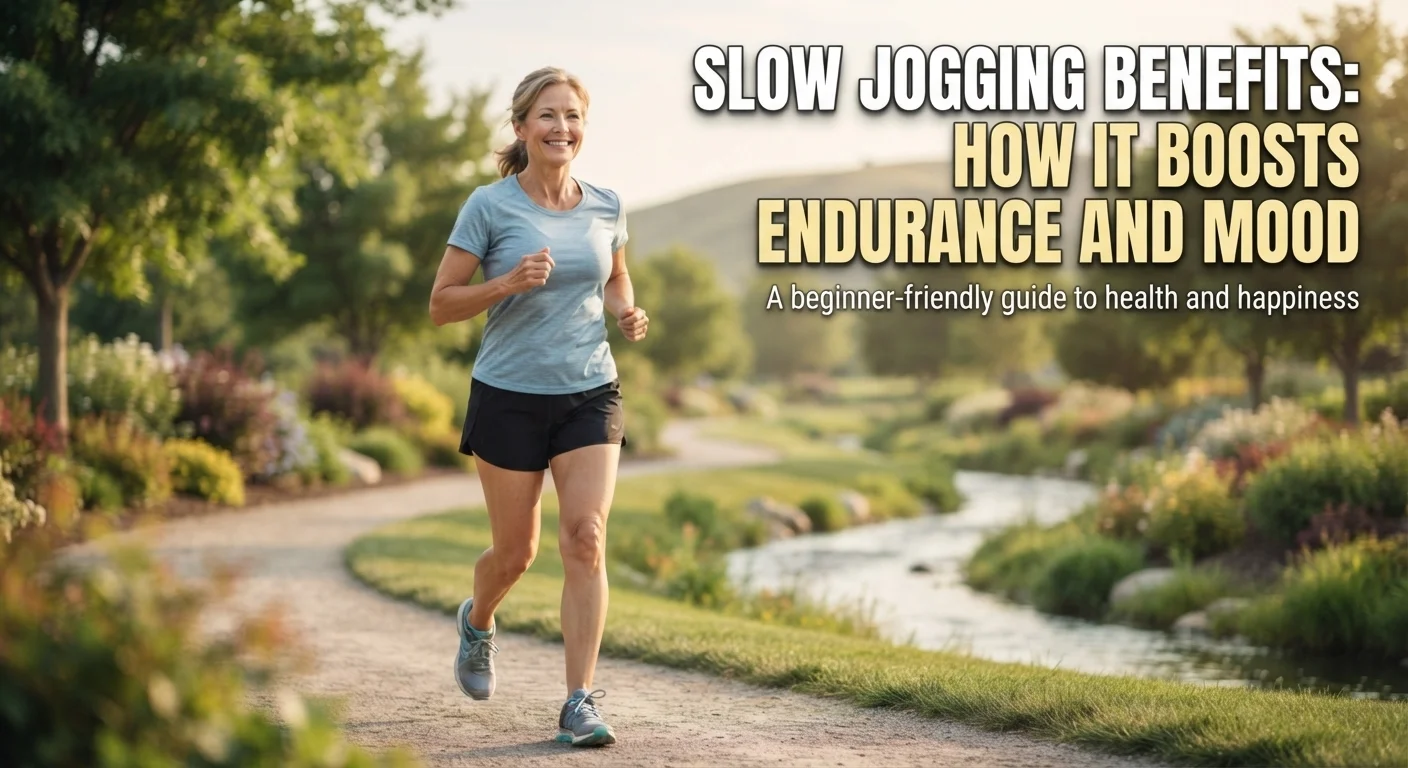

What Is Slow Jogging?
Slow jogging is a simple form of running done at a comfortable pace. The goal is to move faster than a normal walk while keeping your effort low enough that you do not feel exhausted.
Unlike fast running, slow jogging does not require you to push your body hard. You can focus on steady movement, relaxed breathing, and good form. This makes it a useful choice for people who want to improve fitness without making every workout feel difficult.
One useful test is the talk test. If you can speak in short sentences while jogging, your pace is likely easy enough for this type of exercise. You may still breathe faster than you do while walking, but you should feel that you can keep going.
Slow Jogging Can Improve Endurance
One of the biggest benefits of slow jogging is better endurance. Your heart, lungs, and muscles work together during steady aerobic exercise, helping your body become more efficient at using oxygen.
When you jog at a comfortable pace on a regular basis, your body gets used to working for longer periods. Over time, a short session can become a longer session without feeling as tiring.
This is useful for beginners because endurance does not have to be built through hard workouts. A person who starts with ten or fifteen minutes of slow jogging can gradually add more time as fitness improves.
The key is consistency. Jogging once every few weeks is unlikely to create much change, while regular sessions can help build a stronger aerobic base.
Slow Jogging May Help Your Mood
Exercise affects more than your physical fitness. Slow jogging can also support a better mood by giving you time to move, breathe, and step away from daily stress.
Physical activity is linked with the release of chemicals in the brain that can affect mood and feelings of well being. You may also feel better after finishing a workout because you have done something positive for your body.
The mental benefit can be even more noticeable when you jog outside. Fresh air, daylight, and a change of scenery can make an easy workout feel refreshing.
Slow jogging is also easier to fit into a normal routine than some intense forms of exercise. When an activity feels manageable, you may be more likely to keep doing it.
It Can Support Heart Health
Your heart is a muscle, and regular aerobic activity gives it useful work to do. Slow jogging can raise your heart rate while keeping the effort at a level that many people can manage.
Regular physical activity can support cardiovascular fitness and may help improve several health markers when combined with a healthy lifestyle.
You do not need to run at a very fast pace to get these benefits. What matters is regular movement and gradually improving your fitness.
People with health conditions or those who have been inactive for a long time should speak with a health professional before starting a new exercise routine, especially if they plan to increase the intensity.
Slow Jogging Can Help Build Stamina
Stamina means being able to stay active for a longer period without becoming overly tired. Slow jogging is a practical way to work on this because it allows you to stay active for longer than you might during a hard run.
At first, you may need to stop and walk several times. That is completely fine. Your goal should be steady progress rather than trying to match the pace of someone else.
For example, you could start with five minutes of walking, followed by five minutes of slow jogging. Repeat this pattern for twenty minutes and gradually increase the jogging time as your body becomes more comfortable.
With regular practice, activities such as walking uphill, climbing stairs, playing sports, or spending a long day on your feet may begin to feel easier.
It May Help With Weight Management
Slow jogging can also contribute to weight management because your body uses energy while you exercise. The number of calories you burn depends on factors such as body size, pace, workout time, and fitness level.
However, exercise is only one part of weight management. Food choices, sleep, stress, and daily activity also matter.
Slow jogging can be helpful because it is an activity that many people can repeat regularly. A moderate workout that you enjoy may be more useful in the long run than an intense workout that you quickly stop doing.
If weight loss is your goal, focus on healthy habits rather than trying to lose weight as quickly as possible.
Slow Jogging Is Beginner Friendly
Fast running can feel difficult for someone who is new to exercise. Slow jogging gives beginners another option.
You can control the pace based on how your body feels. If you become too tired, slow down or walk for a while. There is no need to turn every workout into a test of speed.
Beginners should also give their bodies time to adapt. Starting with shorter sessions can reduce the chance of doing too much too soon.
A comfortable pair of shoes, suitable clothing, and a safe place to exercise are usually enough to get started.
How Often Should You Go Slow Jogging?
There is no single schedule that works for everyone. Your current fitness level, age, health, and other activities all affect how often you should exercise.
For a beginner, three easy sessions per week can be a reasonable starting point. Each session can include walking and slow jogging instead of continuous jogging.
As your fitness improves, you can gradually increase the length of your sessions. You can also add more jogging time while keeping the pace comfortable.
Rest days are important. Your muscles and joints need time to recover, especially when your body is still getting used to regular exercise.
A Simple Slow Jogging Routine
You do not need a complicated workout plan. A simple routine can help you build a habit and make your progress easier to track.
Try this basic approach:
- Walk for five minutes to warm up.
- Jog slowly for five minutes.
- Walk for two minutes.
- Jog slowly for another five minutes.
- Finish with five minutes of easy walking.
As this becomes easier, add one or two minutes to your jogging periods. Keep the pace comfortable and avoid increasing both speed and workout time at the same time.
The goal is to finish feeling that you could have done a little more. That approach can make it easier to return for your next workout.
How Slow Jogging Compares With Fast Running
Fast running can improve fitness and speed, but it places more demand on your body. It can also require more recovery time.
Slow jogging uses a different approach. The lower pace allows you to spend more time moving while keeping the workout easier to manage.
This does not mean slow jogging is better than fast running for everyone. Each type of exercise has a place, and the best choice depends on your goals, fitness level, and personal preferences.
If your main goal is building a fitness habit, slow jogging can be a practical starting point. If you later want to improve speed, you can add faster sessions when your body is ready.
Tips to Get Better Results From Slow Jogging
Good habits can make your workouts more comfortable and help you stay consistent.
Start slowly, especially if you have not exercised for several months. Keep your shoulders relaxed and avoid taking very long steps. Let your breathing stay natural instead of trying to force a specific breathing pattern.
Choose a route where you feel safe and comfortable. A park, quiet road, track, or treadmill can all work.
Pay attention to pain. Normal exercise can cause tired muscles, but sharp or unusual pain should not be ignored. Stop the activity and seek medical advice when needed.
Most importantly, give yourself time. Fitness improves through repeated effort, not through one difficult workout.
Slow Jogging Can Support a Healthier Routine
The biggest benefit of slow jogging may be how easy it is to add to your regular life. You do not need expensive equipment or a complicated training plan.
A short session can fit before work, after school, in the evening, or during a free part of your day. Even when you have limited time, a short period of movement can be better than staying inactive.
Over time, these small sessions can become part of your routine. That consistency can support endurance, cardiovascular fitness, energy, and mood.
You can also combine slow jogging with other activities such as strength training, stretching, cycling, swimming, or regular walking. A mix of activities can keep exercise interesting and work different parts of your body.
Common Mistakes to Avoid
One common mistake is starting too fast. Many beginners think they need to run hard to get results, but this can make the workout much harder and may leave you too tired to exercise again soon.
Another mistake is increasing workout time too quickly. Your heart and lungs may improve faster than your muscles, tendons, and joints, so your body still needs time to adapt.
Skipping rest is another issue. More exercise is not always better, especially when your body is showing signs of fatigue.
Finally, do not compare your pace with other runners. Your goal is to improve your own fitness and create a routine that you can maintain.
The Long Term Benefits of Slow Jogging
Slow jogging can become more valuable as a long term habit. Regular aerobic exercise can support heart health, stamina, physical fitness, and mental well being.
The results may seem small at first. You might simply notice that you can jog for a few extra minutes or recover faster after exercise. Those small improvements can add up over time.
A sustainable routine also gives you a better chance of staying active as your fitness changes. You can adjust the pace and duration based on how you feel.
That is why slow jogging can be a useful option for people who want a simple form of exercise that supports both physical and mental health.
Final Thoughts on Slow Jogging Benefits
The benefits of slow jogging go beyond burning calories. This simple activity can help improve endurance, support heart health, build stamina, and give your mood a positive lift.
You do not need to run fast or train like an athlete to get started. A comfortable pace, regular sessions, and gradual progress can be enough to build a useful exercise habit.
If you are new to exercise, start with short sessions and give your body time to adjust. Choose a pace that feels manageable, stay consistent, and increase your workload slowly.
Ready to get started? Put on your walking or running shoes and try a short slow jogging session this week. Your first goal does not need to be speed. Just keep moving and build from there.

Discussion
No comments yet. Be the first to share your thoughts!
Leave a Comment