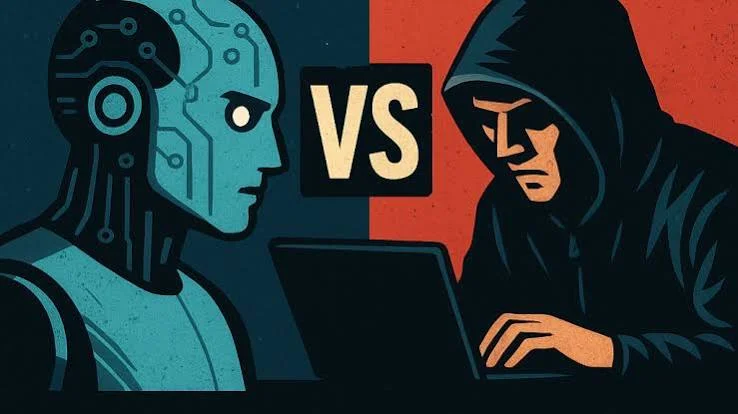

Cyber attacks now happen every thirty nine seconds, affecting thousands of businesses and regular internet users every single day. Global cyber crime causes more than eight trillion dollars in damages each year. Criminal groups and security teams are locked in a continuous race for digital control. The battle of AI vs Hackers is redefining online safety as both sides adopt automated systems.
Traditional cyber defense relied on human analysts searching through computer logs to find suspicious behavior. Hackers also had to write custom scripts and test defenses manually one target at a time. Automated tools have accelerated this process for both attackers and defenders. Computers can now find security flaws, write malicious software, and block intrusions in fractions of a second. This guide explains how artificial intelligence is reshaping cyber crime and how you can protect your data.
The Modern Attack Landscape: How Hackers Use Smart Tools
Criminals have discovered that smart algorithms can do their work faster and with fewer mistakes. Hackers use natural language models to write convincing messages that fool employees into clicking malicious links. They also deploy scripts that scan entire corporate networks to find open backdoors within minutes. Automation allows small criminal groups to launch attacks at a scale once limited to massive organizations.
Software can also test thousands of stolen passwords across hundreds of websites at once. When a system blocks an attack, the tool adjusts its approach automatically to avoid detection. These smart tools run continuously without needing breaks, vacations, or human supervision. Attackers can strike thousands of targets around the globe simultaneously with very little effort.
The barrier to entry for digital crime is dropping because prebuilt malicious tools are easy to buy. Amateur criminals can purchase automated attacking software on hidden forums without knowing how to write code. This availability increases the total number of attacks launched against schools, hospitals, and small businesses. Keeping systems safe requires knowing how these modern attacks operate.
Smarter Phishing Scams: Fooling Even the Most Cautious Users
Phishing has always been one of the most common ways criminals steal private passwords and financial data. Old phishing emails were often easy to spot because they contained obvious spelling errors and strange formatting. Modern AI Cyber Attacks generate flawless text in dozens of languages without grammatical mistakes. The emails mimic the tone, style, and vocabulary of real managers, banks, or delivery companies.
Criminals use public social media posts to learn about their targets before sending an attack. The software studies what you post on LinkedIn, Instagram, and Facebook to craft a message specific to your life. An employee might receive an urgent email from their boss mentioning a real project they worked on yesterday. Because the message contains accurate details, the worker is far more likely to click the malicious attachment.
These personalized attacks bypass traditional email filters by avoiding common spam trigger words. The text looks completely natural to automated email scanners because each email is written uniquely for that recipient. When employees trust the message, they hand over network passwords or approve fake financial wire transfers. Spotting these deceptive messages now requires extreme caution and strict verification steps.
Deepfakes and Voice Clones: New Tools for Social Engineering
Social engineering relies on tricking people into giving up confidential information through conversation. Attackers now use audio cloning tools to replicate the voice of a company executive with just three seconds of sample audio. Criminals find audio samples from public interviews, corporate podcasts, or online video clips. They then call company accountants pretending to be the chief executive officer requesting an urgent money transfer.
Video deepfakes are also appearing in online job interviews and remote team video calls. Scammers use live video filters to disguise their faces and pretend to be verified remote workers. Once hired, these fake employees gain access to internal company databases and steal proprietary files. Verifying the true identity of remote workers has become a serious security challenge for global businesses.
Families are also being targeted by voice cloning scams over the phone. A criminal calls a parent using a clone of their child voice, claiming they are in trouble and need emergency funds. The emotional panic caused by hearing a loved one voice causes people to send money before checking the facts. Defending against these attacks requires families and companies to set up secret safety code words for emergency verification.
Automated Malware That Learns and Adapts
Traditional antivirus programs protect computers by matching incoming files against a database of known virus signatures. If a file matches a known bad code signature, the antivirus blocks it immediately. Criminals now build adaptive malware that alters its own code structure every time it infects a new device. Because the code changes constantly, standard signature scanners cannot recognize the threat.
Adaptive malware can also detect when it is running inside a secure test environment used by security researchers. When the malware notices diagnostic tools running, it stays dormant and acts like a harmless calculator or utility app. As soon as the file lands on a real employee computer, it wakes up and begins encrypting sensitive documents. This sneaky behavior allows modern ransomware to bypass conventional security barriers.
Smart malware can also move quietly across internal company networks without raising alarms. It studies normal network traffic patterns and blends in by sending data only during regular business hours. It steals files slowly in tiny packets so network monitors do not detect unusual data spikes. By the time security teams notice the intrusion, the attackers have already copied sensitive business records.
Vulnerability Scanning at Blinding Speeds
Every software application contains minor programming errors known as bugs or vulnerabilities. Hackers search for these flaws so they can bypass login screens and take control of corporate servers. In the past, finding these hidden weaknesses took weeks of manual code review and testing. Automated scanning tools can now analyze millions of lines of application code in a few minutes.
When a new zero day vulnerability is discovered, attackers use smart bots to find every vulnerable server connected to the public internet. The bots scan millions of IP addresses across the globe in less than an hour. Criminals exploit the flaw and install backdoors before software companies can write and release a security patch. This rapid speed leaves system administrators very little time to protect their infrastructure.
Software supply chains are especially vulnerable to these rapid scanning techniques. Hackers target open source libraries used by thousands of popular mobile apps and web platforms. If attackers find a single flaw in a widely used library, they can compromise thousands of companies at once. Protecting software development pipelines requires automated scanning tools that check code constantly.
How Artificial Intelligence Powers Modern Cyber Defense
Defenders are using the exact same technology to build stronger, faster, and more resilient digital walls. Artificial Intelligence Cybersecurity platforms analyze billions of network events across an organization every day. These systems spot unusual patterns that human analysts would miss in giant logs of data. When an intrusion happens, the defense software can quarantine infected computers in milliseconds.
Smart defense tools build a baseline of what normal activity looks like for every user in a company. The system learns what hours you work, what files you access, and what devices you use to log in. If an employee account suddenly attempts to download thousands of customer records at three in the morning, the system flags the activity immediately. The platform locks the account and alerts security officers before data leaves the network.
Antivirus software now uses predictive machine learning models rather than simple signature lists. The software evaluates the behavior of unknown files to determine if they act like malware. If an unknown file attempts to modify system registries or inject code into other programs, the antivirus stops it instantly. This behavioral analysis protects devices against brand new threats that have never been seen before.
Spotting Threats in Real Time Before Damage Occurs
Speed is the most critical factor when responding to an active network breach. The longer an attacker stays inside a system, the more damage they can cause to business operations. Automated monitoring platforms process security data in real time, detecting unauthorized movements within seconds of entry. Stopping an attacker at the front door prevents costly ransomware shutdowns and data theft.
Security operations centers use smart assistants to group related security alerts into single readable incident reports. Human analysts used to suffer from alert fatigue because security software generated thousands of false alarms every shift. Modern systems filter out routine background noise and highlight only genuine threats that require human action. This organization helps security professionals focus their attention where it matters most.
Predictive tools can even anticipate where attackers will strike next based on global threat activity. The software tracks active attack campaigns around the world and reinforces vulnerable network sectors in advance. If a new ransomware strain is hitting hospitals in Europe, the system updates firewall defenses for American clinics before attacks arrive. Proactive defense turns cybersecurity into an active shield rather than a slow reaction.
Automating Incident Response to Stop Active Breaches
Once a security breach is detected, immediate action is required to contain the threat. Automated response systems can isolate an infected laptop from the rest of the company network instantly. The system disables compromised user credentials, closes vulnerable firewall ports, and terminates unauthorized server connections. These automated actions stop the lateral spread of malware without waiting for a human manager to wake up.
Automated backup systems also protect critical business databases from ransomware encryption. When the system detects unauthorized file encryption beginning on a server, it snapshots healthy data files immediately. It then blocks the encryption process and restores the affected files from clean recovery points. Companies can resume normal operations within minutes without paying costly ransoms to criminal extortionists.
Post incident analysis is also accelerated through automated timeline generation. The software traces the entire path of the attacker from the initial phishing email to the final server access point. It creates a clear visual map showing every file the hacker touched and every command they executed. Knowing the exact scope of the breach helps companies fix their security gaps and comply with legal reporting requirements.
Core Differences Between Human and AI Driven Security
Comparing traditional manual security methods with automated defense systems highlights the major advantages modern tools provide:
- Manual security reviews require hours of human log analysis, while automated tools process millions of data points in real time.
- Human analysts can suffer from fatigue and miss subtle warning signs, whereas smart software monitors network activity continuously without breaks.
- Traditional antivirus tools only catch known virus signatures, while predictive models detect brand new zero day malware through behavioral analysis.
- Manual incident response can take hours to isolate infected machines, but automated defense platforms contain compromised devices in milliseconds.
- Old phishing filters rely on static keyword lists, while modern email defenses analyze context, sender reputation, and writing style.
Protecting Passwords, Identity, and Authentication
Stolen passwords remain the primary cause of major corporate data breaches across the globe. Criminals purchase lists of leaked credentials and use automated bots to test them across thousands of platforms. Modern identity management systems use behavioral biometrics to verify user identities continuously. The software analyzes how fast you type, how you move your mouse, and how you hold your phone.
If an unauthorized person steals your password and logs into your account, their typing rhythm will not match your profile. The system notices the difference in physical interaction and demands additional verification immediately. It can prompt the user for a physical security key or a fingerprint scan to confirm identity. This continuous authentication stops account takeovers even when passwords are leaked online.
Passwordless authentication systems are rapidly replacing traditional text passwords altogether. These systems use public key cryptography and secure device hardware to log users into accounts safely. You approve logins using your phone face scan or fingerprint reader without typing a single character. Eliminating passwords removes the primary target that phishing attacks try to steal.
The Problem of Data Poisoning and Adversarial Attacks
As companies rely more on smart defense models, hackers are finding clever ways to attack the algorithms themselves. Data poisoning is a technique where criminals feed false training data into a defensive machine learning model. Over time, the model learns to treat malicious activity as normal, harmless behavior. Once the model is corrupted, the attacker can walk past security filters without triggering alarms.
Adversarial attacks involve making tiny, invisible modifications to malicious files to trick scanning models. A hacker might add a few lines of meaningless code to a virus script that confuses the classification model. To a human analyst, the file is clearly a dangerous virus, but the algorithm marks it as safe software. Security engineers must build robust models that resist these manipulation tricks.
Protecting defense models requires continuous monitoring of training pipelines and algorithmic decisions. Engineers use adversarial testing techniques, where they attack their own models to discover blind spots. Regular model audits ensure that automated defenses remain accurate and resistant to outside tampering. Securing the defense tools themselves is just as vital as securing corporate databases.
Essential Habits to Keep Your Data Safe from Smart Attacks
Staying safe against sophisticated digital attacks requires combining smart software with disciplined personal habits. Use these practical security rules to protect your personal and business accounts:
- Turn on two factor authentication using authenticator apps or physical hardware keys on every online account.
- Use a trusted password manager to generate and store long, unique passphrases for each separate website you use.
- Verify unexpected requests for money, gift cards, or password resets through a separate phone call or text message.
- Keep all computer operating systems, smartphone apps, and web browsers updated to the latest security versions.
- Establish a private emergency code word with family members to verify identities during suspicious distress calls.
- Avoid clicking direct links in unexpected emails and visit official websites by typing the address manually into your browser.
The Role of Human Oversight in Automated Defense
While automated systems bring incredible speed to cybersecurity, human judgment remains completely irreplaceable. Software tools excel at finding patterns and crunching numbers, but they lack human intuition and business context. An automated system might block a legitimate multimillion dollar transaction simply because it looks unusual on paper. Human analysts must review high stakes decisions to ensure security measures do not disrupt normal operations.
Ethical considerations also require human leadership in digital defense. Security teams must balance employee privacy with network monitoring to create a respectful workplace culture. Tracking every keystroke and mouse movement can make workers feel uncomfortable if boundaries are not clearly defined. Transparent security policies ensure that data monitoring protects the business without violating personal trust.
Security training for everyday employees remains the most effective defense against modern social engineering. Automated tools catch many attacks, but a few deceptive messages will always slip through to employee inboxes. Teaching workers how to spot emotional manipulation, urgency tactics, and suspicious sender addresses creates a strong human firewall. When alert employees work alongside smart tools, organizations achieve the highest level of protection.
Critical Infrastructure and National Security Challenges
Modern utility networks, water treatment plants, and electrical grids rely heavily on connected digital controllers. Cyber criminals and hostile nation states target these physical systems to cause public disruption and economic damage. An attack on an electrical grid could shut off power to hospitals, traffic lights, and emergency services for days. Protecting critical infrastructure requires advanced automated monitoring that catches intrusions before physical hardware suffers damage.
Manufacturing plants and transportation hubs are also adopting smart defense systems to safeguard physical machinery. Industrial sensors monitor temperature, pressure, and operational speeds to spot sabotage attempts in real time. If a hacker tries to spin a turbine at dangerous speeds, the automated safety system overrides the command and shuts the machine down safely. These physical protections keep public services running smoothly.
Government agencies and private tech companies are collaborating closely to share threat intelligence across national borders. When an attack hits a bank in one country, the threat indicators are shared globally within minutes. This collective defense helps organizations patch their systems before international attack campaigns reach their networks. Global cooperation makes the entire digital world safer for everyone.
The Future of the Digital Security Arms Race
The competition between digital attackers and security defenders will continue to accelerate over the next decade. As new computing architectures emerge, both sides will develop more sophisticated tools to outsmart each other. Hackers will create automated agents that conduct entire attack campaigns from reconnaissance to extortion on their own. Security platforms will respond with autonomous defensive networks that patch vulnerabilities before human admins even notice them.
Quantum computing will also introduce new challenges for digital encryption standards in the coming years. Traditional encryption algorithms that protect banking data today will need to be replaced with quantum resistant keys. Organizations that prepare early for these architectural changes will keep their data safe from decryption threats. Continuous adaptation is the only guarantee of long term digital safety.
Despite the rapid technological changes, the fundamental goal of cybersecurity remains unchanged: protecting human privacy, financial assets, and public safety. Combining smart software, strong personal habits, and skilled human analysts creates a resilient defense that withstands modern threats. The organizations that embrace automated defense while investing in human training will win the battle against modern cyber crime.
Take Action to Secure Your Digital Life Today
The battle of AI vs Hackers is changing how individuals and businesses defend their private information. Hackers are using automated tools to build convincing phishing emails, clone human voices, and scan for security bugs at blinding speeds. Fortunately, AI Defense Against Hackers provides powerful tools to spot suspicious activity, stop ransomware, and protect accounts in real time.
You do not need to be a computer scientist to protect yourself from modern cyber threats. Start by enabling two factor authentication on all your important email, banking, and social media accounts today. Use a password manager to eliminate weak, reused passwords across your digital life. Stay alert, verify unexpected requests through direct communication, and let smart security tools help you keep your private data safe.


Discussion
No comments yet. Be the first to share your thoughts!
Leave a Comment