
Manus AI Funding has exceeded $500 million, giving the Chinese AI startup Butterfly Effect fresh capital to expand its autonomous software products and global operations. The funding round comes after Meta's planned $2 billion acquisition of Manus was blocked by Chinese regulators. The new investment reportedly values the company at around $4 billion and gives Manus more resources to compete in the fast growing AI agent market.
The financing round proves that investor demand for top tier software engineering talent remains remarkably high despite international trade disputes. The startup has resumed independent operations from its offices in Singapore and Beijing while preparing for a potential public stock listing. Manus has also released new autonomous software tools that give artificial agents their own digital identities, bank accounts, and phone numbers. This complete report explains how Manus secured its massive funding, what led to the failed Meta deal, and how its new software works.
The Big Comeback: How Manus Secured $500 Million
Butterfly Effect announced the completion of its five hundred million dollar funding round through an official public post on WeChat. The investment was led by prominent private equity firms Boyu Capital and IDG Capital. Existing financial backers also joined the round, including Chinese gaming and social giant Tencent, venture firm ZhenFund, and HSG, which previously operated as Sequoia China. These major investment groups stepped in quickly to provide long term financial support after the corporate buyout fell apart.
The company did not officially reveal its new market valuation in the public announcement. However, people familiar with the private financing talks reported that the firm was negotiating at a valuation of approximately four billion dollars. That valuation doubles the two billion dollar price tag that Meta agreed to pay just a few months earlier. Investors are betting that independent agent software will generate substantial recurring revenues across international markets.
The company stated that the fresh capital will fund an aggressive hiring drive for engineering talent both in China and internationally. Building advanced neural networks requires hundreds of specialized software engineers, researchers, and product designers. Securing half a billion dollars in cash gives the team a multi year financial cushion to build new data centers and expand computing infrastructure. The startup now possesses the resources needed to compete directly with American software giants.
The Blocked Meta Acquisition: What Really Happened
The path leading to this funding round was filled with intense corporate and geopolitical drama. In mid 2025, Manus gained widespread attention across the global tech community after sharing a viral demonstration of its autonomous software agent. Following that viral launch, the company relocated core team members and business operations to Singapore to serve international customers. By late 2025, the business was generating more than one hundred million dollars in annual recurring revenue.
In December 2025, social media giant Meta announced a blockbuster agreement to acquire Manus for two billion dollars. Meta planned to integrate the startup software tools directly into its own consumer apps and developer platforms. The acquisition would have given Meta a premier engineering team specializing in autonomous coding systems. Everything seemed ready for a smooth corporate transition heading into early 2026.
Chinese regulatory authorities stepped in during April 2026 and ordered Butterfly Effect to cancel the acquisition agreement immediately. Government officials expressed serious concerns about losing top tier artificial intelligence researchers and proprietary software assets to foreign corporations. The startup was forced to unwind the entire transaction and return to independent status. As part of the separation process, Manus was required to delete specific user data collected during the transitional phase.
Resuming Independent Operations and Eyeing a Hong Kong IPO
Manus resumed independent commercial operations in August 2026 after completing all legal requirements from the aborted merger. Returning to independent status allowed the management team to regain full control over its product roadmap and global business strategy. The founders moved quickly to secure new private capital from Asian investment funds that support domestic technological development. The rapid funding round shows strong regional confidence in the startup long term viability.
Financial analysts report that Butterfly Effect is now actively exploring a public listing on the Hong Kong Stock Exchange. A successful initial public offering in Hong Kong would provide the company with permanent access to public equity capital. It would also allow international investors to buy shares without facing cross border regulatory blocks. Going public would solidify the company position as a leading independent artificial intelligence power in Asia.
Operating out of Singapore provides the company with a strategic base to serve international clients while maintaining close ties to Asian engineering talent. Singapore has become a neutral technology hub where international software companies can navigate global markets safely. By maintaining dual operational centers in Singapore and China, Manus balances regional compliance with global customer growth. The business continues to expand its enterprise client roster across North America, Europe, and Southeast Asia.
What Does Manus Actually Build?
Manus develops autonomous software tools that allow everyday users to build digital products through simple text descriptions. The platform specializes in what developers call vibe coding, where human creators describe concepts in normal language while the computer writes the code. You can ask the system to create a full web application, design a business presentation, or build a functional database. The software generates the underlying programming files, tests for bugs, and launches the live project automatically.
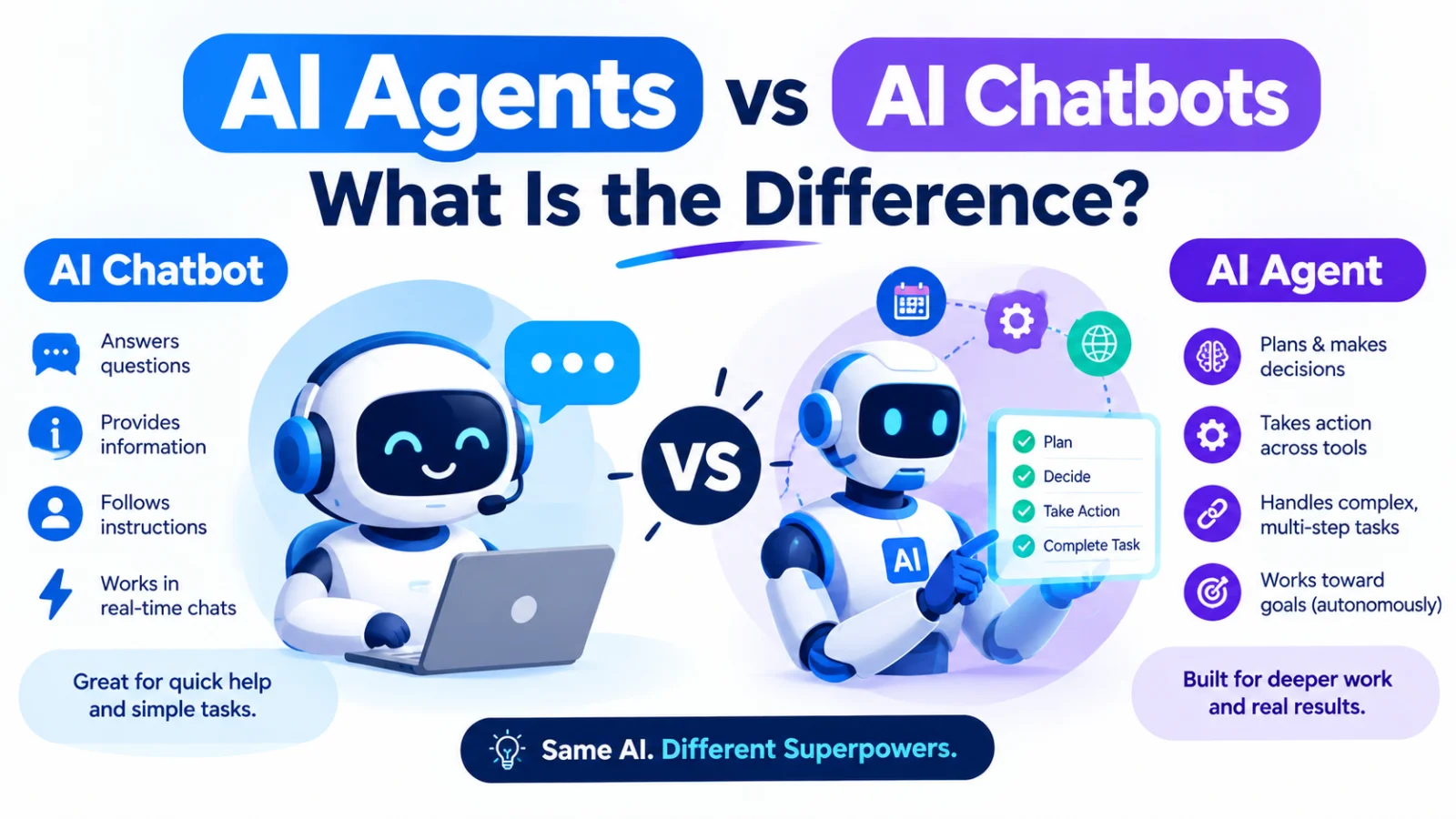
The platform competes in the fast growing market for smart developer tools alongside popular platforms like Cursor, Replit, and Lovable. Unlike basic chatbots that only output text snippets, these tools interact directly with code editors, terminal commands, and server environments. Users can watch the software create project directories, install software libraries, and fix visual design errors in real time. This automated workflow allows individuals to build complex digital applications in an afternoon without years of programming study.
The platform also includes automated tools for video generation, graphic layouts, and interactive user interfaces. A marketing manager can describe an advertising campaign, and the software will assemble matching landing pages and visual graphics simultaneously. Removing technical barriers allows creative workers across all industries to produce working software. This broad utility explains why the platform achieved rapid revenue growth within months of launching.
Inside Manus 2.0: A New System for Software Agents
Alongside its funding announcement, Butterfly Effect introduced Manus 2.0 to the public. The company describes the update as a complete rebuild of its underlying software system. The updated framework improves how the system breaks down complex instructions into multi step execution plans. The software can now manage larger programming projects containing thousands of interrelated code files without losing context.
The new system features improved error recovery routines that detect when a generated script fails to run properly. When an error occurs, the software reads the computer terminal output, diagnoses the root cause, and applies a working patch automatically. It tests the revised code inside a sandbox environment before presenting the completed result to the user. This independent problem solving makes the tool far more reliable for complex enterprise projects.
Manus 2.0 also improves execution speed while reducing computing resource costs. Generating complex web applications requires processing millions of data tokens across multiple neural networks. The new system optimizes token usage, allowing the software to deliver finished projects in less time with lower electricity costs. These performance gains help the company keep subscription prices affordable for individual creators and small businesses.
Cue: Giving Personal AI Agents Their Own Identity
The most intriguing product introduced by the company is a standalone application called Cue. Traditional digital assistants operate only when a user keeps an application window open on their computer screen. Cue takes a completely different approach by giving each personal software agent its own independent digital persona. When you create an agent inside the app, the system assigns that agent a dedicated email address, a unique phone number, and a secure virtual workspace.
The app also equips the agent with its own digital wallet capable of processing electronic payments. Users can set strict daily spending limits, pre approve specific vendor categories, and review purchase histories at any time. This setup allows the agent to buy software subscriptions, purchase digital domain names, or pay cloud server bills independently while executing a project. Giving software safe financial agency transforms how digital work gets done.
Agents running inside Cue can communicate with human clients, contact vendor support desks, and coordinate tasks with other software systems. For example, you can instruct your agent to set up an online store for a new product concept. The agent uses its email address to register hosting accounts, uses its digital wallet to buy the web domain, and builds the store layout. You only need to review the final product and approve the launch.
Manus Compared with Other Leading AI Coding Platforms
| Platform Name | Primary Focus | Autonomous Capability | Unique Standout Feature |
|---|---|---|---|
| Manus (Butterfly Effect) | End to end app and media creation | High (Executes tasks, manages files) | Cue app gives agents email, phone, and wallet |
| Cursor | Code editor companion for developers | Moderate (Assists inside code editor) | Deep integration with local project files |
| Replit | Cloud based coding and hosting platform | Moderate to High (Builds and hosts apps) | Instant browser based server deployment |
| Lovable | Text to full stack web applications | High (Generates complete web apps) | Fast visual design and front end generation |
The Geopolitical Battle for Technical Talent
The cancellation of the Meta acquisition highlights the growing tension between major world powers over computer science leadership. Artificial intelligence is no longer viewed simply as commercial software; governments now treat it as critical national infrastructure. Countries are determined to protect their domestic research talent, computing clusters, and proprietary algorithms from foreign control. Regulators in Beijing, Washington, and Brussels are monitoring cross border tech mergers with intense scrutiny.
China has produced a massive pool of elite mathematics, physics, and computer science graduates over the past decade. Many of these researchers have founded agile startups that compete at the highest level of global software design. Chinese authorities blocked the Meta sale because they wanted to ensure that valuable intellectual property remained anchored within the domestic economy. Keeping top researchers working for independent regional firms preserves sovereign technology capability.
American technology giants face increasing hurdles when trying to acquire promising foreign startups. Deals that once passed through corporate review boards in weeks now face lengthy national security audits and political opposition. As a result, global venture capital is flowing into regional champions that operate independently across Asia, Europe, and North America. This multipolar tech landscape encourages diverse software approaches and prevents single corporate monopolies.
Why Top Venture Funds Back Independent Asian Startups
Venture capital firms like Boyu Capital, IDG Capital, and Tencent see massive financial upside in backing independent software makers. The Asian software market is expanding rapidly as millions of small businesses embrace digital automation to cut operating costs. Providing affordable tools that help non programmers build software creates a massive addressable market across the region. Regional investors want to own significant equity stakes in companies that serve these growing local economies.
Asian venture funds also recognize that independent startups can expand into emerging markets across Latin America, the Middle East, and Africa with ease. Companies based in neutral hubs like Singapore often face less political friction in developing economies than American tech conglomerates. This global export potential makes high valuations attractive to private equity investors. A four billion dollar valuation reflects the belief that Manus can capture enterprise market share worldwide.
The rapid rise of Butterfly Effect proves that innovative engineering teams can build valuable products with lean organizational structures. The company reached more than one hundred million dollars in annual recurring revenue with a team of fewer than two hundred employees. This extreme operational efficiency generates healthy profit margins and rapid cash generation. Venture capitalists love backing software companies that combine high revenue growth with low overhead costs.
Autonomous Agents and the Future of Digital Commerce
Giving software agents dedicated email addresses, phone numbers, and digital wallets through apps like Cue represents a major shift in digital commerce. In the past, every online transaction required a human to type credit card numbers and solve verification puzzles. Autonomous agents can now conduct commerce directly on behalf of human owners, negotiating prices and purchasing resources in milliseconds. This development will change how online marketplaces, service platforms, and payment gateways operate.
Companies will soon design digital storefronts and application interfaces specifically for software agents rather than human eyes. Websites will offer machine readable product listings and direct payment endpoints that allow software to complete orders without friction. An agent looking for cloud storage will compare pricing models across dozens of providers and buy the best option instantly. Digital commerce will become faster, more efficient, and highly automated.
Safety and financial controls will remain essential as autonomous commerce expands across the economy. Platforms must provide robust security guardrails that prevent rogue software behaviors or accidental overspending. Clear audit logs, multi factor transaction approvals, and strict spending caps ensure that human users retain ultimate financial control. As long as safe boundaries are maintained, autonomous agents will remove hours of boring administrative work from daily life.
Key Takeaways from the Manus Funding Round
- Butterfly Effect raised over $500M led by Boyu Capital and IDG Capital following the canceled Meta buyout.
- The financing round values the startup at roughly $4B, doubling its previous $2B acquisition valuation.
- Chinese regulators blocked the Meta acquisition in April 2026 to keep elite engineering talent and IP within the region.
- Manus 2.0 introduces a redesigned system architecture that improves execution speed and code error handling.
- The new Cue app equips personal software agents with their own phone numbers, email addresses, and payment wallets.
- Butterfly Effect continues expanding its international hub in Singapore while exploring a public listing in Hong Kong.
What Lies Ahead for Manus and the Global Software Industry
The success of Manus proves that the market for autonomous software is moving beyond simple text prompts into active execution. The next phase of software development will belong to platforms that turn ideas into working applications with zero manual programming. Creators who master prompt direction and agent management will build businesses that once required large engineering teams. The democratization of software creation will spark a wave of digital entrepreneurship across the globe.
Butterfly Effect must now prove that it can scale its infrastructure, defend its market share, and deliver reliable enterprise software. Competing against well funded rivals like Cursor, Replit, and Microsoft will require continuous product innovation and aggressive international marketing. The company plans to use its five hundred million dollar funding reserve to recruit top tier researchers and expand its global server network. Its progress will serve as a bellwether for the entire independent software industry.
The journey of Manus from a viral demo to a four billion dollar independent contender illustrates the speed of modern technology. When great software solves real human problems, capital flows quickly regardless of geopolitical obstacles. The future of software creation is being written by agile teams that give people the tools to build their own digital tools. Keep a close watch on Manus as it prepares for its next chapter on the global stage.
Track the Rise of Autonomous AI Tools Today
The rapid rise of Manus and its new software tools shows that autonomous technology is transforming how we build digital products. You no longer need years of technical coding experience to bring creative website ideas, applications, or business tools to life. Exploring autonomous software today gives you a powerful advantage in your career, creative projects, and business ventures.
Take time this week to explore modern vibe coding platforms and test how autonomous agents work firsthand. Experiment with describing an application concept in plain words, review how software builds the code, and see how fast you can turn ideas into reality. Stay curious, follow international tech developments, and discover how automated tools can elevate your personal productivity today.


Discussion
No comments yet. Be the first to share your thoughts!
Leave a Comment